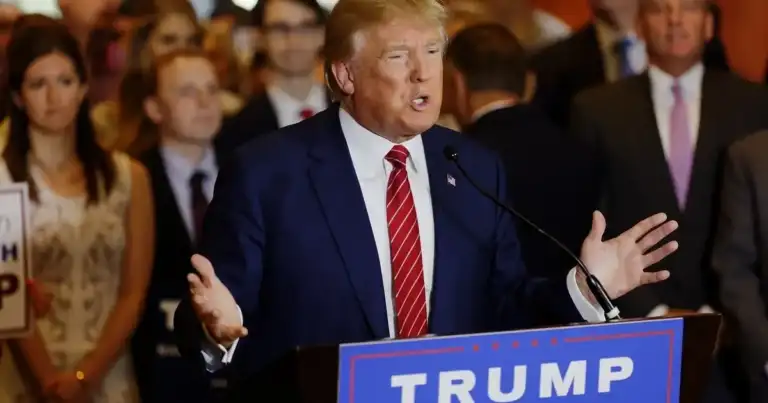

It took a bruising legal battle, but New York finally forced the Trump administration’s hand. After months of political stonewalling, federal funding — a staggering $2 billion — has reportedly been restored for the vital Second Avenue Subway’s Phase 2 expansion, a project critical to Manhattan’s future. This isn’t a gift; it’s a victory hard-won, demonstrating New York State’s unwavering resolve to drag the feds to court and expose the raw political arm-wrestling inherent in infrastructure development.
The Federal Funding Flip-Flop: A Deliberate Chokehold
For months, this critical transit expansion – the lifeline for millions and a crucial artery for Manhattan – hung by a thread, deliberately choked by federal political gamesmanship. The initial withdrawal of funds by the federal government wasn’t just a bureaucratic hiccup; it was a deliberate chokehold, a punitive measure. New York, perpetually the nation’s economic engine and cash cow, found itself brazenly held hostage, its most essential infrastructure projects weaponized for political gain.

The state’s lawsuit wasn’t just unsurprising; it was an inevitable, righteous fury unleashed against what was clearly political retribution, a profound miscalculation of New York’s resolve and leverage. The MTA, already a sprawling behemoth grappling with its own labyrinthine financial woes and an aging, creaking system, simply could not, would not, afford to lose this lifeline.
Was the federal government truly willing to plunge millions of commuters into further transit chaos just to make a political point? The legal battle wasn’t solely about a specific dollar amount; it was about the dangerous precedent. Could the feds unilaterally pull the rug out from under states on projects already underway, approved, and deeply embedded in local planning?
Why Now? The Real Mechanics of Power
The sudden ‘restoration’ of funds is no magnanimous gesture of goodwill. Let’s be clear: this is not about a change of heart. It’s a direct consequence of relentless legal pressure and, crucially, the looming, embarrassing reality of a court battle the administration clearly didn’t want to fight – and certainly couldn’t afford to lose.
Federal funding for state projects isn’t charity; it’s a bedrock contractual obligation, shamelessly wrapped in cynical political maneuvering. When New York sued, it didn’t just ask nicely; it demanded accountability with the full weight of the law.
This isn’t about the federal government suddenly experiencing an epiphany regarding the vital importance of a functioning subway system in the nation’s financial capital. This is about cold, calculated self-preservation: a cost-benefit analysis of a prolonged, potentially humiliating legal defeat versus a strategic, face-saving retreat. The optics of fighting a state over essential infrastructure, especially one that contributes an outsized share to the national economy, are catastrophically bad, no matter the political climate or partisan fervor.
The Bitter Taste of Victory
Make no mistake: Don’t fall for the narrative that this is some grand compromise or a victory for good governance. This is pure, unadulterated political expediency, plain and simple. The administration pulled funding to exert leverage, and they restored it because New York called their bluff with a lawsuit they simply didn’t want to defend in court.
This move isn’t about helping commuters get to work faster; it’s about avoiding a legal precedent that could hamstring federal powerplays in the future. New York had to fight tooth and nail for what was already promised – a clear, damning sign that federal ‘partnerships’ often boil down to who can exert the most pressure, legal or otherwise. Remember that next time they talk about ‘cooperation.’
For New Yorkers, the Second Avenue Subway’s Phase 2 can finally move forward, but the victory comes with a bitter, lingering taste. It’s a stark, infuriating reminder that in the high-stakes game of federal funding, states like ours often have to arm themselves with legal muscle and unwavering resolve just to secure what should be basic, guaranteed support for critical infrastructure. Will this administration, or any future one, truly learn its lesson, or will New York be forced to fight for what’s owed again?
Source: Google News