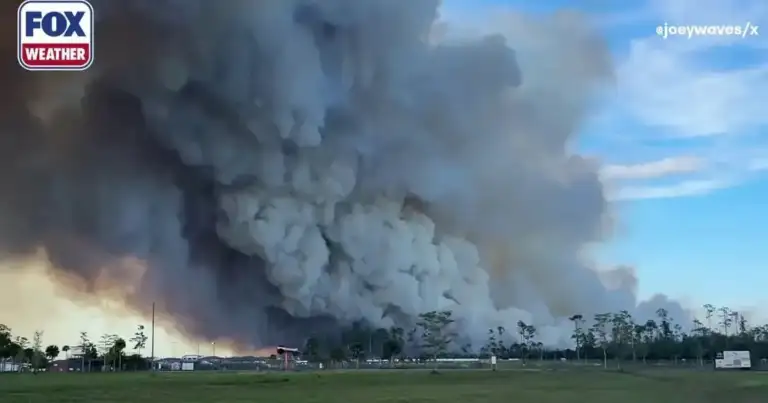

Naples is choking. Again. A sprawling 3,800-acre inferno, dubbed the “Strand Smoke Fire,” is ripping through Picayune Strand State Forest, turning our blue skies into a hazy, ominous gray. This isn’t an anomaly; it’s a yearly catastrophe that chokes our air and our economy. The persistent Naples wildfire smoke is not just an inconvenience; it is a glaring symptom of official neglect, and it’s a symptom we can no longer afford to ignore.
The Annual Chokehold on Naples
For 72 grueling hours, Collier County has battled a beast. The Florida Forest Service (FFS) confirmed the blaze ignited around April 11, 2026. Easterly winds and tinder-dry conditions fueled its relentless growth, transforming dense forest into a raging inferno. By April 14, 2026, it had consumed a staggering 3,800 acres, an area larger than many small towns.
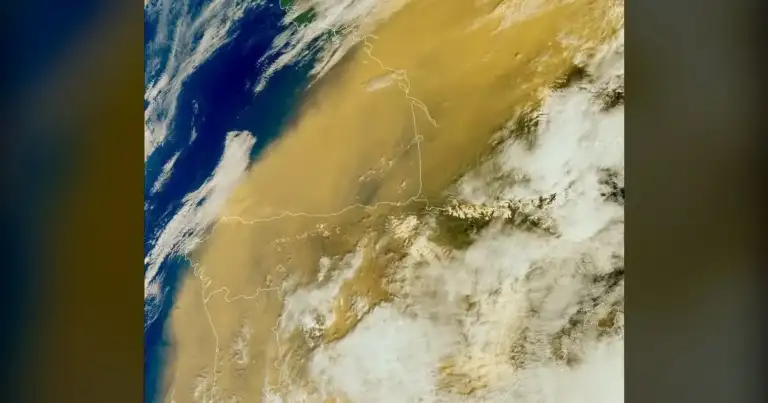
The FFS and Collier County Fire-Rescue claim 30% containment. Over 100 dedicated personnel, backed by air support, fight this fire day and night. Yet, the acrid smoke continues to blanket Naples, extending far into the Gulf of Mexico. This “Smoke on the Gulf” isn’t a natural phenomenon; it’s a cruel joke played on residents who simply want to breathe clean air.
Air quality alerts, reaching “Unhealthy for Sensitive Groups,” plague residents. Some areas even hit “Unhealthy” (AQI 151-200), a danger zone for anyone stepping outside. Maria Rodriguez, a Naples resident, voiced the raw frustration shared by countless families when she told StateEdit:
“Every year it’s something. You wake up, and the air smells like a campfire. It makes you wonder about your kids’ lungs, about what we’re breathing in. It’s beautiful here, but this is the downside.”
Her words cut through the official platitudes. Why do we accept this “downside” year after year? Why is this annual choking of our community considered “mundane”? The answer lies in whose interests are truly being served, and it’s certainly not ours.
Who Profits from the Haze?
Wildfires don’t just burn land; they burn through taxpayer dollars at an alarming rate. Fire suppression costs are already in the hundreds of thousands, and these figures will only climb as the blaze continues. Who bears this burden? The everyday Floridian, not the bureaucrats who preach “containment” while failing to invest in prevention. Are we content to watch these figures spiral, year after year?
While residents cough, firefighting equipment suppliers see a boom. Personnel suppliers also benefit from increased demand. This isn’t a conspiracy; it’s basic economics in a reactive system. The true cost of preventing these fires—through controlled burns and proactive land management—often goes unfunded. It’s a stark reminder that an ounce of prevention is worth a pound of cure – a pound we’re now paying for, dearly.
Naples’ tourism industry, the lifeblood of our local economy, suffers directly. Reduced visibility and smoke-filled air drive away visitors. This could mean millions in lost tourism revenue for Collier County. Hotels, restaurants, and small businesses face a direct hit, their livelihoods threatened by the very air we breathe.
Collier County Commissioner Jane Doe offered hollow assurances, a familiar refrain in times of crisis. She stated:
“We are in constant communication with the Florida Forest Service and our emergency management teams. We urge residents, especially those with respiratory issues, to stay indoors, keep windows closed, and monitor air quality alerts.”
This is not leadership. This is a PR statement, a transparent attempt to shift responsibility to the public. It avoids addressing the systemic failures that create these conditions. Where is the proactive investment in prevention? Where are the concrete plans to break this devastating cycle?
The Cost of Complacency: Naples Wildfire Smoke and Public Health
The “Strand Smoke Fire” is not just an economic drain; it is a public health crisis in slow motion. Elevated particulate matter (PM2.5) concentrations are a proven killer. They exacerbate asthma, COPD, and other respiratory illnesses. Long-term exposure carries severe health risks, including heart disease and premature death. This isn’t a hypothetical threat; it’s a clear and present danger to every resident.
“Voluntary evacuation advisories” are a smokescreen. They offer little comfort or real protection to the most vulnerable. Low-income communities, without access to air purifiers or alternative housing, are hit hardest. Children and the elderly are disproportionately affected, their fragile lungs bearing the brunt of official inaction.
What is the long-term health monitoring plan for these exposed residents? Collier County officials remain silent on this crucial question. They offer warnings, not solutions. This negligence is a betrayal of public trust, leaving our most vulnerable citizens to literally gasp for air.
Unanswered Questions, Unaddressed Failures
The official narrative focuses on acres burned and containment percentages. This distracts from the deeper, uncomfortable truths. We demand answers that elected officials refuse to provide:
- What is the confirmed cause of the “Strand Smoke Fire”? Lightning is a possibility, but is it the full story? What about human activity?
- What specific financial aid will be available for local businesses crippled by lost tourism revenue and operational disruptions?
- Are there concrete, funded plans to enhance early detection systems for wildfires in Picayune Strand, leveraging modern technology?
- Will controlled burn programs finally receive adequate funding and expansion, recognizing their crucial role in mitigation and forest health?
- What is the total estimated cost of fire suppression to date, and who is ultimately paying for this annual disaster?
These are not minor details. These are the questions that expose systemic failures. They reveal a cycle of reactive crisis management instead of proactive governance. The “Smoke on the Gulf” is a predictable, preventable tragedy, and it’s time we stopped accepting it as inevitable.
No More Excuses
The public’s “mundane” reaction to this fire is precisely the problem. It allows officials to continue their cycle of neglect, offering platitudes instead of progress. The Florida Forest Service and Collier County leadership must be held accountable. They cannot simply issue advisories and expect gratitude while our community chokes.
We need real investment in land management, not just firefighting. We need transparent plans for public health and economic recovery. Naples deserves to breathe freely. It’s time we demand more than hollow reassurances and ‘containment’ updates. It’s time we demand accountability, proactive solutions, and a future where our skies are clear, not choked by the smoke of official neglect.
Source: Google News