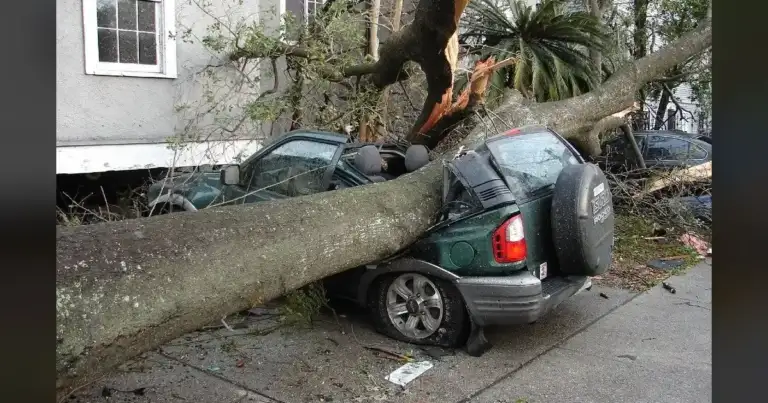

The aerial footage from FOX4KC.com paints a grim picture: homes ripped apart, livelihoods shattered across Miami County. But behind every twisted beam and splintered wall lies a truth far colder than the news cameras capture: the official response to Kansas tornado damage routinely falls short, leaving the most vulnerable to face ruin alone. This isn’t merely about property loss; it’s about a system that fails its people when they need it most.
On Monday, April 13, 2026, a brutal EF-2 tornado, packing winds up to 135 mph, tore through rural Miami County. Paola and Osawatomie bore the brunt of the storm.
This morning, April 14, at least 25 homes are completely destroyed. Over 50 more are severely damaged, and thousands remain without power.
Governor Laura Kelly quickly declared a state of emergency. This is the bare minimum response to such widespread devastation.
Rhetoric vs. Reality: Who Gets Left Behind After the Storm?
Governor Kelly issued a statement, calling the situation “devastating.” She pledged “every resource necessary.” These are the worn-out platitudes we hear after every disaster.
But what do they truly mean for Sarah Miller, the Paola resident who watched 50 years of farm work vanish in minutes?
“It’s just gone,” lamented Sarah Miller, a lifelong resident near Paola. “Fifty years of work, just gone in minutes. We’re grateful to be alive, but where do we even begin?”
Miller’s question hangs heavy in the air. The American Red Cross set up shelters, and Evergy crews work tirelessly to restore power to 3,500 customers.
Miami County Emergency Management Director Michael Johnson praised early warning systems, claiming they “undoubtedly saved lives.” Six people suffered minor to moderate injuries, and no fatalities were reported.
While we are grateful for no immediate fatalities, this blessing doesn’t erase the deep, invisible wounds that linger long after the storm passes. Are we truly measuring recovery by just the immediate body count?
The media focuses on these initial numbers, showing the shocking Kansas tornado damage. What they often ignore are the long-term consequences.
What about the elderly residents without adequate insurance? What about low-income families with nowhere to go?
The agricultural workers whose fields are now barren and barns obliterated face ruin. These are the people who will struggle long after the news cycle moves on, and their stories are not as photogenic.
The Cost of Complacency in Rural Kansas
Kansas sits squarely in “Tornado Alley.” We know the risks. We’ve seen the devastation before in Greensburg in 2007, or Andover in 1991.
Both were wiped out by EF-5 monsters. Yet, how much has truly changed in our preparedness and infrastructure?
The state of emergency declaration is a necessary first step, yes. But is it truly enough?
Miami County’s smaller tax base and dispersed population mean local resources are stretched thin. Recovery will be harder here.
This isn’t an unforeseen challenge; it’s a predictable crisis we repeatedly fail to adequately plan for. Where are the specific, long-term state and federal aid programs that will actually reach these families, and how quickly?
We must ask tough questions about building codes. Are our current standards sufficient to withstand these increasingly powerful storms?
Or are we simply rebuilding vulnerable structures, waiting for the next one? The cost of stronger construction may be higher upfront, undoubtedly.
But the cost of endless rebuilding is far greater. It bleeds communities dry, year after year.
The “unanswered questions” list is long and damning. What is the true economic cost, including agricultural losses that devastate our state’s backbone?
How many residents are displaced, and what are their sustained housing needs beyond a few nights in a shelter? Where is the concrete plan for resilient infrastructure?
We need more than soundbites and photo opportunities.
Beyond the Rubble: Demanding Real Accountability
The initial shock of the Miami County tornadoes will fade. The photos of destruction will be archived.
But for the people of Paola and Osawatomie, the struggle has just begun. They face months, even years, of rebuilding.
They face psychological trauma and potential financial ruin.
State officials, led by Governor Kelly, must do more than offer platitudes. They must deliver tangible, long-term support. They must address the systemic vulnerabilities of rural Kansas, not just react to the latest disaster. Anything less is a betrayal of their fundamental duty to protect and serve our communities.
This disaster is a stark reminder. Kansas needs concrete action, not just promises.
We need resilient communities, not just emergency declarations that offer temporary relief. We deserve accountability for every dollar spent and every promise made.
Watch closely, Kansans. Demand more than empty gestures.
Demand action, demand accountability, and demand a future where our communities are truly resilient, not just repeatedly rebuilt.
Photo: Photo by Mark Gstohl on Openverse (flickr) (https://www.flickr.com/photos/48352971@N00/389163804)
Source: Google News