
Florida, a state forged by sun-drenched groves and a vibrant agricultural heartbeat, has just made a monumental decision about its culinary future. This past Friday, April 11, 2026, the U.S. Court of Appeals for the Eleventh Circuit upheld Florida’s statewide ban on lab-grown, or cultivated, meat.
This decision, affirming a lower court’s February 2025 finding, isn’t just legal jargon. It sends shockwaves across our state, sparking fervent debates from bustling Miami bistros to the serene cattle ranches of Central Florida. It forces us to confront a critical question: what truly defines Florida’s table, and how far are we willing to go to protect it?
The ruling is an undeniable triumph for Governor Ron DeSantis and the state’s formidable agricultural sector. Commissioner of Agriculture, Wilton Simpson, didn’t mince words, lauding the decision as a safeguard for Florida’s “heritage and economy.”
This isn’t just a talking point; it’s a sentiment deeply embedded in the identity of countless Floridians who see traditional ranching and farming as the very foundation of our state. Florida’s agriculture contributes over $100 billion annually to our economy and supports millions of jobs – a legacy our leaders are clearly determined to preserve.
Yet, beyond the immediate victory for conventional agriculture, this decision lays bare a fundamental conflict. Is Florida truly protecting its essence, or is it potentially slamming the door on a future that could offer unique advantages and new avenues for prosperity?
Florida’s Fork in the Road: Heritage or Horizon?
The legal challenge, spearheaded by a coalition of cultivated meat companies and food innovation advocates, argued that the ban stifled interstate commerce and innovation. The court, however, sided squarely with the state, acknowledging Florida’s legitimate interest in regulating its food supply and protecting its existing economic structures. It’s an age-old battle of tradition versus progress, played out directly on our plates.
For many Floridians, especially those dedicated to the craft of raising cattle or cultivating crops under our generous sun, the idea of “meat” grown in a lab feels alien, perhaps even unsettling. There’s a palpable concern for the unknown, a natural inclination to protect what we understand and trust. This sentiment is often captured by the term “Frankenmeat,” a label that powerfully evokes apprehension about the perceived unnaturalness of this burgeoning industry.
However, the debate surrounding this ban isn’t just complex; it’s fiercely polarized. On platforms like Reddit and X, public reaction has been fervent and divided. While some cheer the “Frankenmeat death” as a win for “real food,” others express significant dismay.
They label the ban as “anti-innovation fearmongering” and “cattle baron protectionism.” Critics argue that Florida is sacrificing future economic diversification and environmental benefits for the sake of preserving existing industries.
One popular online sentiment, widely circulated, noted that the decision feels like “Florida just killed the future to save ranchers’ asses.” This highlights a perception that the state might be missing out on vital opportunities.
This perspective often points to the global investment of over $3 billion in the cultivated meat sector since 2016. They envision a future where Florida could have been a hub for this advanced food technology, creating high-tech jobs and fostering new industries.
Beyond the Plate: Florida’s Stance on Global Innovation
For the discerning Floridian, whether you’re a gourmet seeking novel culinary experiences or simply someone looking for diverse, sustainable choices, this ruling means cultivated meat will not grace our restaurant menus or grocery aisles anytime soon. It reinforces a reliance on conventional meat production, which, while deeply rooted in our heritage, also comes with a hefty environmental price tag in terms of land and water use, not to mention its contribution to greenhouse gas emissions.
This decision positions Florida firmly in a camp that prioritizes traditional agricultural methods over emergent food technologies. While Alabama and Arizona have enacted similar bans, Florida’s success in federal appeals court sets a powerful precedent.
It sends a clear, unmistakable message to cultivated meat companies: Florida’s market is currently closed for business. Yet, we must ask: at what cost?
The potential for high-tech jobs, diversified economic growth, and a lessened environmental footprint are considerations that, for many, remain frustratingly unaddressed. Critics argue that this ban isn’t just about protecting ranchers; it’s about stifling consumer choice and potentially slowing down our state’s adaptation to a rapidly changing global food system.
Innovation’s Uncharted Waters: Where Does Florida Go Now?
The truth is, Florida’s identity is not static. We are a state that embraces both tradition and progress, often blending the timeless with the cutting-edge to create premium experiences.
Imagine a future where Florida could lead in both sustainable ranching and responsible food technology, creating a richer, more resilient food system that benefits everyone. This isn’t an either/or proposition; it’s an opportunity for a more robust “all of the above” approach.
While the current ruling solidifies the position of our beloved traditional agriculture, it also invites reflection on how we might still foster a spirit of Florida food innovation. Perhaps the conversation shifts from a blanket ban to exploring rigorous local research, transparent regulation, and a nuanced understanding of cultivated meat’s potential benefits and challenges. We could be leading the charge in defining what responsible food technology looks like, rather than simply shutting it down.
This moment challenges us to look beyond immediate economic protection and consider the long-term vision for our state. How do we ensure Florida remains a beacon of culinary excellence and economic vitality, welcoming both time-honored practices and the promise of future advancements? The answer, I believe, lies not in fear, but in open dialogue and a willingness to explore all avenues that enhance the richness and sustainability of the Florida experience.
The future of what we eat, and how we produce it, is undeniably evolving. The question remains: will Florida’s leaders choose to innovate within tradition, or risk being left behind as the world’s food system charges ahead?
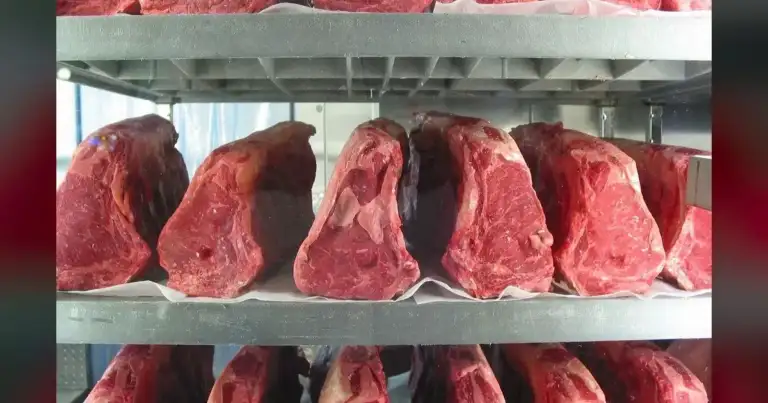
Photo: Photo by splorp on Openverse (flickr) (https://www.flickr.com/photos/13522901@N00/12200621)
Source: Google News