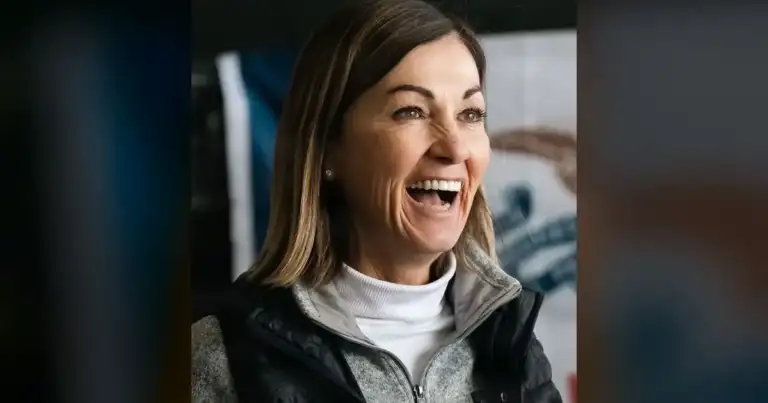

Iowa Attorney General Brenna Bird isn’t just filing a lawsuit against TikTok; she’s orchestrating a political spectacle. Her amended petition, filed on April 13, 2026, accuses the tech giant of “deception, a false promise, and a misrepresentation,” but let’s be blunt: this isn’t primarily about protecting Iowa’s kids. It’s about securing headlines and boosting a political profile.
Bird’s office paints a damning picture: TikTok, they claim, intentionally engineered its platform with addictive features, then brazenly misrepresented the severe risks to minors. We’re talking about content pushing self-harm and eating disorders right into our kids’ feeds. The accusation is clear – TikTok, a subsidiary of China’s ByteDance, utterly failed to deliver on its so-called ‘promised’ safety features.
“TikTok has engaged in a pattern of deception, making false promises and misrepresenting the true nature of its platform, particularly regarding the safety of our children,” Attorney General Brenna Bird stated on April 13, 2026. “We will not stand by while a foreign-owned company profits from the exploitation of Iowa’s youth.”
These are damning accusations, no doubt. But here’s the kicker: where’s the transparency from Bird’s own office? While she demands accountability from TikTok, her amended petition reportedly cites “internal company documents” whose specific details remain hidden from the public. If Bird is truly fighting for truth, why are Iowans being kept in the dark about the very evidence that underpins this entire case? We deserve to see it.
The Real Cost of Alleged TikTok Deception
TikTok’s global revenue for 2025 soared into the tens of billions of dollars. Bird’s lawsuit explicitly seeks “significant financial penalties.” So, let’s follow the money: who truly benefits from these potential payouts? The state coffers, sure, but make no mistake – a hefty portion of the political capital will flow directly into the Attorney General’s campaign war chest and elevate her public image. This isn’t just about justice; it’s about political leverage.
Parents and child safety advocates might feel a fleeting sense of validation, but without concrete, publicly disclosed evidence, this entire legal skirmish feels less like a genuine fight and more like a carefully choreographed performance. Other states are indeed watching Iowa’s updated legal strategy, eager to see if it can serve as a blueprint for similar actions. What does that mean for us? More endless legal battles, more hollow PR statements, and ultimately, precious little real change for our kids.
The state isn’t wrong about the problem: minors are indeed spending alarming hours daily glued to TikTok. Studies consistently show average daily usage exceeding 90 minutes – that’s an hour and a half every single day.
This usage is often linked to rising rates of anxiety and depression among our youth. These are absolutely serious, heartbreaking concerns for Iowa families, and they demand urgent action. But does a drawn-out, opaque legal process, moving at a glacial pace, truly address the immediate crisis facing our children?
Grandstanding or Genuine Reform?
Let’s be clear: this isn’t Iowa’s first rodeo, nor is it the first time a state has gone after a social media behemoth. We’ve seen Utah and Arkansas attempt to implement parental consent laws, only for those efforts to be immediately bogged down in legal challenges from tech companies. Even federal scrutiny, despite all the bluster, has produced little to no comprehensive legislation. So, what makes Bird’s approach any different, or more likely to succeed?
Iowa’s lawsuit is undeniably part of a growing national trend to hold social media companies accountable. But we have to ask ourselves: is a lawsuit, particularly one shrouded in secrecy, truly the most effective tool to safeguard our kids? Or is it simply a convenient, headline-grabbing maneuver for politicians to appear active, without actually delivering tangible results?
TikTok’s response? Predictable, boilerplate corporate speak, devoid of any genuine conviction.
“We are committed to the safety and well-being of our community, especially our younger users,” a TikTok spokesperson stated previously. “We believe the allegations are without merit and will vigorously defend our platform.”
Empty words from a company facing immense pressure. More hollow promises of “robust safety features” that consistently fall short. It’s the same old song and dance we’ve heard countless times before. Frankly, no one with a shred of common sense is surprised.
What this lawsuit conveniently ignores, however, are the crucial players caught in the crossfire. Thousands of Iowa’s own content creators on TikTok face genuine uncertainty; stricter regulations or a platform ban could devastate their livelihoods.
Furthermore, countless young users find positive communities, educational content, and creative outlets on the platform – aspects entirely overlooked when the focus is solely on harm. This isn’t a nuanced approach; it’s a sledgehammer aimed at a complex ecosystem, with little regard for the collateral damage.
Unanswered Questions and the Political Playbook
Bird’s office remains stubbornly tight-lipped on several critical fronts. What are the exact financial penalties being sought? How, precisely, will these penalties be calculated? These aren’t minor details; they are vital questions that remain conspicuously unanswered. This deliberate lack of specific information doesn’t just make the public skeptical – it breeds cynicism.
Could this amended petition somehow influence the ongoing federal debate about TikTok’s future? Perhaps, if you believe in miracles. But let’s face facts: federal action has consistently stalled, bogged down by partisan bickering and corporate lobbying. State-level lawsuits, more often than not, simply become political fodder, generating soundbites and campaign donations rather than delivering sweeping, immediate changes for anyone, especially Iowa’s kids.
The term “deception, false promise, and misrepresentation” is indeed powerful, a legal hammer. But how will the courts truly interpret this in the ever-shifting sands of the digital age? Social media platforms evolve at warp speed; legal frameworks, by their very nature, struggle to keep pace. Is a 20th-century legal system truly equipped to tackle 21st-century tech?
This lawsuit is nothing less than a classic political playbook maneuver. It garners headlines, no doubt, positioning Attorney General Bird as a fierce champion of children. But strip away the PR, and what are we left with?
Without genuine transparency, without specific, actionable demands beyond vague “significant financial penalties,” this entire endeavor risks being exactly what it appears to be: an elaborate, costly show.
Iowans deserve real, tangible solutions to protect their kids, not just prolonged legal skirmishes that primarily line political pockets and inflate legal fees. This battle will drag on, generating more press releases than progress. So, when it comes to real change for Iowa’s kids from this lawsuit, don’t just hold your breath – you might as well stop breathing.
Photo: Gage Skidmore
Source: Google News