











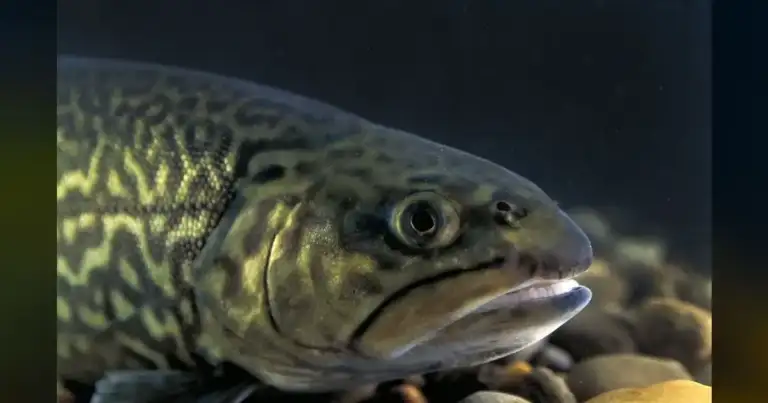

A Record-Breaking Tiger Trout: A Triumph for West Virginia’s Anglers and Ecosystem
In the verdant streams of West Virginia, a recent catch has stirred excitement and pride among the state’s fishing community. A local angler has landed a record-breaking tiger trout, tipping the scales at an impressive 4.5 pounds. This remarkable feat not only sets a new state benchmark but also invites a broader conversation about the significance of such catches for the environment, local economy, and cultural heritage.
The Catch and Its Context
Over the past 48 hours, reports confirmed that a tiger trout caught in one of West Virginia’s renowned fishing spots surpassed the previous record by nearly a pound. According to the West Virginia Division of Natural Resources (WVDNR), the catch was officially verified, solidifying its place in the state’s angling history. What makes this record even more noteworthy is the angler’s choice of traditional fly fishing methods, a technique often praised for requiring skill and patience — traits necessary to land a species as elusive as the tiger trout.
Tiger trout, as many outdoor enthusiasts know, are sterile hybrids between brown and brook trout. They have been carefully stocked in West Virginia waters for decades, not just to diversify fishing opportunities but also as a natural tool to control certain fish populations. This dual purpose positions tiger trout as both a recreational prize and a critical component of the state’s fisheries management strategy.
Economic and Environmental Significance
The ripple effects of this record catch extend beyond the angler’s personal achievement. Local fishing businesses, guides, and tourism operators stand to benefit, as stories like this invigorate interest in West Virginia’s fishing hotspots. In rural areas where economic opportunities can be limited, outdoor recreation and fishing tourism are vital contributors, and a high-profile catch can draw enthusiasts from across the country.
Equally important is the message this event sends about the health and management of West Virginia’s waterways. The success of the trout stocking program, which releases thousands of trout annually, demonstrates a commitment to enhancing ecological balance while supporting recreational activities. Conservationists may view this milestone as a testament to effective habitat management and sustained efforts to preserve native aquatic ecosystems.
Balancing Recreation with Ecological Stewardship
Despite the excitement, it is crucial to acknowledge ongoing debates surrounding the stocking of non-native hybrids like tiger trout. Some environmental advocates caution that introducing sterile hybrids, although controlled, could have unforeseen impacts on native fish populations and aquatic biodiversity. This points to a delicate balance between promoting recreational fishing and ensuring long-term ecological sustainability.
“The new tiger trout record underscores West Virginia’s rich natural resources and the success of fishery management programs,” said a spokesperson from the WVDNR. “But it also reminds us of the importance of ongoing stewardship to protect our waterways for future generations.”
Cultural Legacy and Future Prospects
Fishing is woven into the cultural fabric of West Virginia, reflecting traditions passed down through generations. Modern anglers continue to uphold this heritage, blending respect for nature with sport and community engagement. The recent record-breaking catch is more than just a headline; it is a celebration of that enduring legacy.
As the news reverberates through fishing circles and beyond, it encourages more West Virginians and visitors to explore the state’s rivers and streams. It also highlights how responsible fishing practices, combined with thoughtful environmental management, can coexist to create rewarding experiences for anglers and preserve the natural beauty of the region.
Conclusion
The new West Virginia tiger trout record is a multifaceted triumph — a personal victory for an angler, a boost for local economies, and a marker of ecological progress. It shines a light on the potential of fisheries management programs and the delicate stewardship needed to maintain vibrant aquatic ecosystems. Moving forward, this milestone invites all stakeholders to reflect on how best to balance the joys of recreational fishing with the imperatives of environmental care, ensuring that West Virginia’s streams continue to be a source of adventure and pride for years to come.
Photo: Photo by USDAgov on Openverse (flickr) (https://www.flickr.com/photos/41284017@N08/49700816457)
Source: Google News
