
University of Maine Faces Critical Crossroads Amid Faculty Backlash
In recent days, a significant fissure within the University of Maine community has been laid bare as a coalition of faculty members publicly expressed grave concerns about the administration’s handling of university governance and finances. The deeply unsettling letter, signed by dozens of faculty, is not merely an internal memo but a clarion call reflecting a growing crisis of confidence in the leadership of the state’s flagship public university. As stakeholders grapple with the implications, it is crucial to understand the layers underlying this multifaceted conflict.
A Letter That Echoes Widespread Discontent
On April 7, 2026, University of Maine faculty members circulated a scathing letter detailing what they describe as a systemic failure by the administration to uphold the university’s core mission. At the heart of their grievances lies a concern for transparency—or a lack thereof. Faculty report insufficient communication regarding strategic decisions, particularly those related to budget cuts and program restructuring. This opacity has sown distrust and demoralization across faculty ranks, and by extension, among students who sense the erosion of their academic environment.
“Budget cuts have disproportionately impacted humanities and social sciences, calling into question the university’s commitment to a comprehensive education,”
one faculty member noted, highlighting the broader ramifications beyond mere numbers on a spreadsheet. The faculty emphasize that cuts and hiring freezes are not abstract financial maneuvers but direct hits to educational quality and academic freedom—cornerstones of any reputable institution of higher learning.
The Administration’s Dilemma: Financial Realities and Strategic Necessity
In response, University of Maine’s administration acknowledged the faculty’s concerns while defending the difficult decisions made amid a challenging financial landscape. With an estimated $15 million budget shortfall this fiscal year and an 8% reduction in state funding over the past two years, the administration is navigating turbulent waters. Their statement underscored the necessity of fiscal responsibility and pointed to ongoing efforts to increase transparency, including plans for open forums to engage faculty and students directly.
Yet, these reassurances may ring hollow to many who have witnessed the recent erosion of faculty governance participation. The administration’s strategy appears caught between fiscal constraints and the imperative to preserve the institution’s identity—a balancing act fraught with risk.
Wider Implications for the UMaine Community and Beyond
The consequences of this impasse extend far beyond administrative offices and faculty lounges. Students have voiced apprehension that program cuts and administrative decisions will degrade their educational experience. Meanwhile, state officials, though silent publicly, are keenly monitoring how this strife impacts the University of Maine’s ability to deliver on its public mission in an era when higher education faces unprecedented challenges nationally.
Historically, UMaine has weathered tensions between faculty and leadership, notably during the upheavals of 2020-2021. However, the current letter signals a renewed and perhaps deeper divide, exacerbated by financial hardships and a shifting higher education landscape. The university now stands at a crossroads, where the choices made will reverberate for years to come.
Charting a Path Forward
True leadership in times of crisis requires more than budget reports and official statements—it demands genuine dialogue, respect for shared governance, and a transparent commitment to the university’s academic mission. The planned open forums offer a glimmer of hope but must be conducted with sincerity and result in tangible changes, not mere public relations exercises.
For UMaine to continue thriving as Maine’s premier public institution, bridging the gulf between administration and faculty is imperative. This means re-examining the impact of financial decisions on academic programs, restoring trust through clear communication, and fostering collaboration that prioritizes students’ educational futures.
The faculty’s letter is more than a critique—it is a call to action. How the University of Maine responds will define not only its present stability but the very foundation of its future.
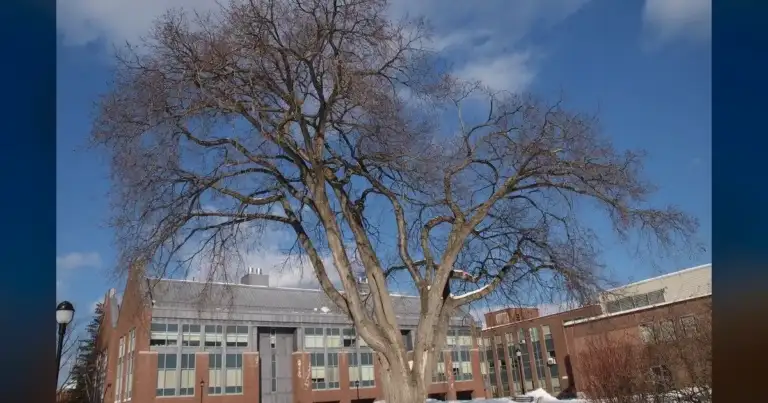
Photo: Photo by surabhidhake on Openverse (flickr) (https://www.flickr.com/photos/31523362@N05/3233378343)
Source: Google News