
Balancing Relief and Responsibility: South Carolina’s Proposed 30-Day Gas Tax Suspension
As geopolitical tensions with Iran escalate, the immediate ripple effects are felt not just abroad but deeply here at home in South Carolina. Senator James Reynolds has stepped forward with a proposed 30-day suspension of the state’s gas tax, a bold initiative aimed at providing urgent financial relief to South Carolina drivers reeling from surging fuel prices. While the proposal is well-intentioned, designed to ease the burden on everyday citizens, it invites a necessary debate about the delicate balance between short-term relief and long-term responsibility.
The Context Behind the Proposal
Global crises have a way of hitting local economies hard, and this situation is no exception. The recent escalation of conflict involving Iran has sent oil prices soaring, with South Carolina residents feeling the pinch at the pump. Currently, the state levies a 28-cent per gallon gas tax, a crucial funding source for maintaining roads, bridges, and other essential infrastructure. Senator Reynolds’ proposal to suspend this tax for 30 days aims to offer immediate respite to families and small businesses struggling with increased transportation costs.
“Our communities cannot afford to be squeezed any further,” Senator Reynolds emphasized during a press conference in Columbia. “This temporary suspension will help working-class families and small businesses breathe easier as we navigate these turbulent times.”
Who Stands to Gain—and Who Might Lose?
Without question, the direct beneficiaries of this tax break are South Carolina’s everyday drivers, particularly low-income families and rural residents who rely heavily on their vehicles. Small businesses, especially those in logistics and delivery, could also see significant cost savings, potentially easing supply chain bottlenecks and improving the overall economic climate. Additionally, the tourism sector could reap benefits if lower fuel prices encourage more travel within the state.
However, the proposal has sparked justified concerns. Opponents, predominantly from Republican lawmakers, warn that pausing the gas tax threatens vital infrastructure funding. The South Carolina Department of Transportation (SCDOT) cautions that such a suspension could delay critical road and bridge projects, potentially increasing long-term repair costs and disrupting employment for construction workers. The state’s infrastructure is already in need of substantial investments, and diverting or temporarily freezing a major revenue stream could have unintended consequences.
Voices Lost in the Debate
Amid the clamor over immediate economic relief and infrastructure funding, environmental and public transportation perspectives have been noticeably muted. Environmental advocates warn that lowering gas prices may unintentionally encourage more driving, increasing emissions at a time when climate concerns demand urgent action. Meanwhile, public transit proponents call for investments in sustainable alternatives rather than short-term tax suspensions, emphasizing long-term solutions over immediate fixes.
Finding the Path Forward
The debate around Senator Reynolds’ proposal is emblematic of a broader tension facing policymakers nationwide: how to balance urgent citizen needs with the necessity of sustaining public goods. The 30-day gas tax suspension is a compassionate, if temporary, measure that acknowledges the hardship many South Carolinians face amid global uncertainty. Yet, it cannot be a silver bullet.
South Carolina must also ensure that infrastructure—its literal foundation for economic growth and public safety—is not compromised. A viable middle ground could involve targeted relief coupled with guarantees that postponed infrastructure projects receive timely subsequent funding. Moreover, this moment calls for renewed investment in greener transportation alternatives and energy resilience to reduce the state’s vulnerability to volatile global oil markets.
In the weeks ahead, as the South Carolina Senate debates this bill, legislators must weigh both immediate economic relief and the long-term health of the state’s economy and environment. The stakes are high, but so too is the opportunity to craft a solution that serves all South Carolinians, both today and tomorrow.
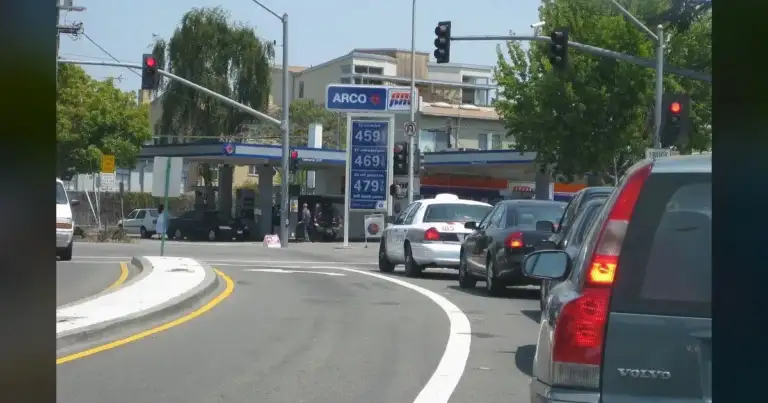
Photo: Photo by scriptingnews on Openverse (flickr) (https://www.flickr.com/photos/22221172@N00/2621802883)
Source: Google News