
Florida’s Drought Crisis Sparks Surge in Wildfires as Peak Season Looms
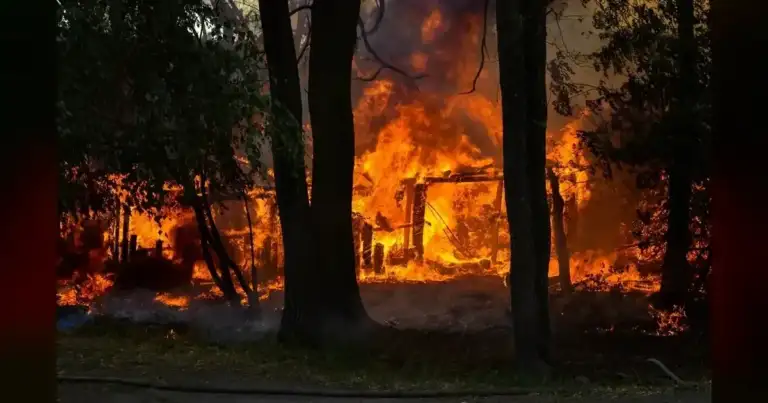
Florida is facing a dire environmental challenge as a significant drought grips vast portions of the state, sparking a sharp increase in wildfires. According to the latest U.S. Drought Monitor report released on April 7, 2026, moderate to severe drought conditions envelop many central and southern counties. This dry spell has already fueled over 150 wildfires since April 5, marking a 40% rise in wildfire incidents compared to the same period last year. The state is only entering the peak wildfire season, which traditionally runs from late spring through early summer — suggesting that the most dangerous period is still ahead.
The situation is already putting enormous strain on Florida’s firefighting agencies. The Florida Forest Service (FFS) and its partners have scrambled to contain several large fires, including a recent blaze in Polk County that consumed more than 1,200 acres. This particular fire forced the evacuation of over 300 residents and caused multiple road closures, underscoring the immediate threats to communities. With dry vegetation and depleted water resources, fire containment efforts are challenging, and officials warn that the risk will intensify in the coming weeks.
Impact on Communities and the Environment
The consequences of these wildfires extend beyond immediate property damage. Residents living near affected zones face disruptions to their lives, health risks from smoke inhalation, and the emotional trauma of displacement. Agricultural interests are suffering as crop losses mount amid water shortages. Moreover, Florida’s unique wildlife habitats are under threat, endangering species diversity and ecosystem balance.
“These wildfires are not just statistics—they affect real lives and livelihoods,” said a spokesperson from the Florida Forest Service. “We need community vigilance now more than ever.”
Despite the escalating crisis, voices from vulnerable populations, such as low-income communities and seasonal workers, remain underrepresented in evacuation plans and recovery efforts. Indigenous groups, who possess deep-rooted knowledge of traditional land stewardship and controlled burning practices, are also often sidelined in strategic wildfire management discussions. Bridging these gaps is essential for an equitable and effective response.
Historical Patterns and the Climate Puzzle
Florida’s drought and wildfire cycles are not new phenomena. The state has endured significant wildfire seasons in 1998 and 2011, burning tens of thousands of acres and costing millions in damages. Historically, these events spurred legislative actions to increase fire prevention funding and improve public awareness. However, the intensifying effects of climate change are complicating the picture. Longer, hotter droughts and shifting weather patterns are extending the wildfire season and amplifying its severity.
Experts warn that measures effective in past decades may no longer suffice against the backdrop of this evolving climate reality. Enhanced land management strategies, including more controlled burns and increased funding for firefighting infrastructure, must be aggressively pursued. Public cooperation — particularly avoiding outdoor burning and promptly reporting smoke — remains critical.
A Call for Urgency and Collaboration
With peak wildfire season looming, Florida is at a crossroads. The surge in wildfires fueled by drought conditions is not simply an environmental issue, but a public safety crisis demanding immediate attention. The state’s authorities, environmental organizations, and communities must collaborate closely to mitigate risks and safeguard vulnerable populations.
Residents must remain alert and proactive, recognizing that each small act of caution can help prevent catastrophic fires. Meanwhile, policymakers should integrate climate science and inclusive stakeholder input to reinforce wildfire resilience. Failure to do so will risk repeating—and magnifying—the devastation of past wildfire seasons.
Florida’s battle with drought and wildfire is a stark reminder of the new realities posed by climate change. Its resolution will require unity, innovation, and unwavering vigilance to protect the Sunshine State’s people, property, and precious ecosystems.
Photo: Photo by Unknown on Openverse (rawpixel) (https://www.rawpixel.com/image/6024919/photo-image-public-domain-tree-nature)
Source: Google News