
The Alarming Surge of Florida’s Cost of Living: A Crisis Demanding Urgent Action
Florida, long celebrated as a haven for retirees, families, and businesses, now stands at a troubling crossroads. Recent reports, including a detailed analysis by News4JAX on April 7-8, 2026, reveal a cost of living surge that is squeezing residents at an unprecedented pace. With prices climbing at five times the rate of wage growth, thousands of Floridians—especially low- and middle-income families—are grappling with the harsh reality of dwindling affordability in the Sunshine State.
A Disproportionate Inflation Impact
The numbers paint a stark picture: Florida’s Consumer Price Index (CPI) has risen approximately 12% year-over-year, notably outpacing the national average of around 8%. Meanwhile, average wage growth lags far behind at just 2.4%. This disparity creates a widening gap that hits hard at the pocketbooks of everyday residents.
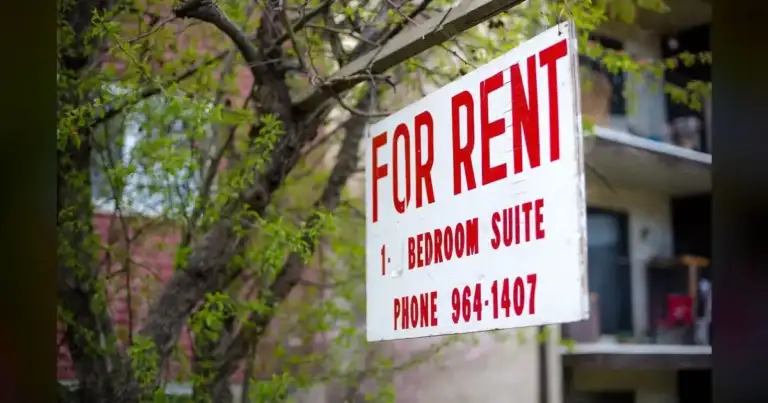
Driving this inflationary surge are three major culprits. First, housing costs have skyrocketed, with rents in metropolitan areas like Miami, Tampa, and Jacksonville surging by 15 to 20 percent over the past year alone. The relentless demand from a rapidly growing population has pushed rental prices to levels that many can no longer sustain.
Second, utility expenses, particularly electricity bills, have jumped by 10 to 12 percent statewide. Infrastructure challenges and increased consumption strain the system, leaving families to pay more for essential services. Finally, grocery prices—including staples like dairy and produce—have risen roughly 10%, forcing households to spend significantly more on food.
The Human Cost: Struggles Behind the Statistics
Behind these statistics lie real human stories. Middle-class families are forced to make difficult choices between paying rent or putting food on the table. Seniors living on fixed incomes find themselves unable to keep up with soaring bills, risking their health and independence. Many migrant workers and undocumented residents, often invisible in public discourse, suffer in silence, lacking access to social safety nets and assistance programs.
“The cost of living has become unbearable. Every month, it feels like I’m falling further behind despite working full-time,” said a Jacksonville resident and mother of two. “We’re not asking for luxury—just a chance to live with dignity.”
Economic and Political Implications
The surging cost of living is not only a personal hardship but also a growing economic threat. Small businesses confront higher operating costs driven by inflated rents and supply chain pressures. This may lead to increased prices for consumers or even workforce reductions, stifling local economies already fragile from years of pandemic recovery.
Landlords and real estate investors have reaped financial gains amid rising property values and rents, though this boon carries a human cost. The lack of statewide rent control and limited affordable housing supply, rooted in historical policy decisions, have contributed to the current crisis. Indeed, Florida’s rapid population growth over the past decade has intensified demand without adequate housing development to keep pace.
Calls for Policy Intervention
Local officials and advocacy groups have rightly called for urgent policy responses. Proposed solutions include implementing rent control measures, expanding affordable housing programs, and offering utility subsidies to ease the burden on the most vulnerable.
Yet, these proposals face political resistance and budgetary constraints. The challenge lies in balancing the interests of property owners, businesses, and residents while addressing the root causes of inflation and scarcity. Ignoring the crisis risks exacerbating homelessness, accelerating outmigration of lower-income communities, and fostering social instability.
The Path Forward: Ensuring Equitable Affordability
Florida must adopt a comprehensive approach that addresses both immediate relief and long-term solutions. Investment in affordable housing infrastructure, renewable energy projects to reduce utility costs, and support for wage growth are critical. Moreover, policymakers must ensure that marginalized groups, including migrant and undocumented workers, have access to assistance and protections.
This is a pivotal moment. Without decisive action, Florida’s dream of prosperity risks becoming an elusive fantasy for too many. The Sunshine State’s future depends on restoring balance so that all residents can thrive—not just survive—in a rapidly changing economy.
Florida’s leaders must rise to the challenge now, or watch their communities buckle under the strain of an accelerating cost of living crisis.
Photo: Photo by Kurayba on Openverse (flickr) (https://www.flickr.com/photos/48503330@N08/26721272685)
Source: Google News