
Urgent Evacuation Warnings Amid Growing Wildfire Threat Near Montana City
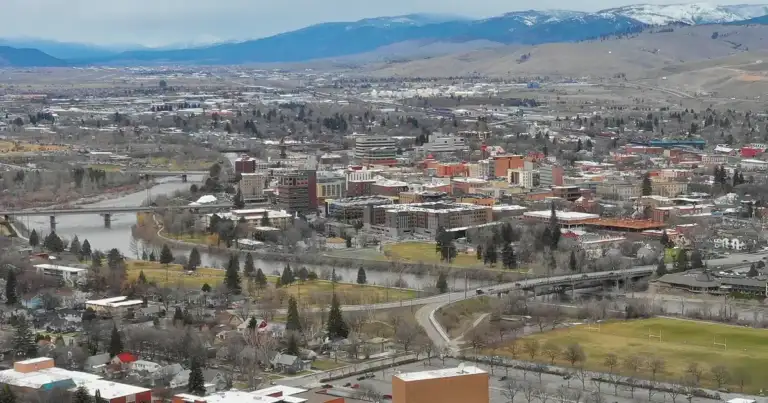
As spring unfolds in Montana, a fierce reminder of nature’s ferocity arrived on the outskirts of Montana City, just southwest of Helena. Since the wildfire ignited on April 6, 2026, the situation has escalated rapidly, prompting evacuation warnings and orders that have unsettled local communities and challenged emergency responders. With nearly 1,200 acres scorched and unpredictable winds fanning the flames, the wildfire underscores the growing wildfire threat faced by Montana and the broader western United States.
The Current Crisis: Evacuation and Firefighting Efforts
The wildfire near Montana City began as a dry lightning strike or possibly human-related ignition on the afternoon of April 6. Fueled by parching drought conditions and gusty winds reaching up to 25 mph, the fire spread swiftly, compelling authorities to issue evacuation warnings for approximately 500 homes and mandatory evacuation orders for about 150 residences. These directives aim to ensure resident safety as fire behavior remains volatile and containment remains a work in progress.
Evacuation centers were promptly established in Helena and Boulder, providing shelter and support for displaced community members. Local and state agencies, including the Montana Department of Natural Resources and Conservation and the U.S. Forest Service, have mobilized extensive firefighting resources. On the ground, crews face the daunting task of battling flames intensified by dry underbrush and shifting wind patterns, while helicopters conduct aerial water drops to slow the fire’s advance. As of the morning of April 8, containment is estimated at only 20%, revealing the challenge posed by prevailing weather conditions and terrain.
The Human Impact: Anxiety, Resilience, and Readiness
For Montana City residents, the fire is an emotional and practical upheaval. Many are anxiously preparing to evacuate or have already left their homes, unsure of what they will find upon their return. The community’s resilience is palpable, yet tinged with understandable worry about lost homes, cherished belongings, and the safety of neighbors and pets.
“We’re hoping for the best but preparing for the worst. It’s hard to leave your home behind with so much uncertainty,” shared one local resident.
Emergency responders, meanwhile, demonstrate unwavering commitment, working long hours under hazardous conditions to protect lives and property. Their efforts are complicated by the dry climate and gusty winds, factors that have repeatedly fueled the rapid escalation of wildfires across Montana in recent years.
Broader Context: Climate Change and an Increasingly Aggressive Fire Season
This wildfire is not an isolated incident but part of a troubling trend. Montana has witnessed increasingly severe wildfire seasons, with 2025 setting a state record for acreage burned. Experts link this pattern to a combination of climate change effects, including prolonged drought, higher temperatures, and altered precipitation patterns. Early-season wildfires, like the one near Montana City, are becoming more frequent, shortening the window for safe firefighting and complicating evacuation logistics.
The ecological consequences are significant as well. Wildfires disrupt wildlife habitats, degrade air quality, and affect water resources. While fire plays a natural role in many ecosystems, the intensity and scale of recent fires raise concerns among environmentalists about long-term ecosystem health and resilience.
Looking Ahead: Community Preparedness and Policy Implications
As firefighting efforts continue, local authorities emphasize the importance of community preparedness. Residents are urged to stay alert to official updates, maintain clear evacuation routes, and adhere strictly to evacuation orders for their safety and the efficiency of emergency operations.
At a policy level, this wildfire highlights the urgent need to invest in forest management, early warning systems, and climate adaptation strategies. Strengthening infrastructure to support quicker evacuations and bolstering firefighting capabilities with advanced technologies are critical steps toward mitigating similar disasters in the future.
In the face of this blaze, Montana’s spirit of solidarity and resilience shines through. Yet the wildfire near Montana City is a stark reminder — the intersection of human vulnerability and climatic challenges demands vigilance, preparedness, and proactive action to safeguard communities and natural landscapes alike.
For residents and observers alike, the unfolding situation near Montana City is a call to respect the power of nature while rallying together in the pursuit of safety and recovery.
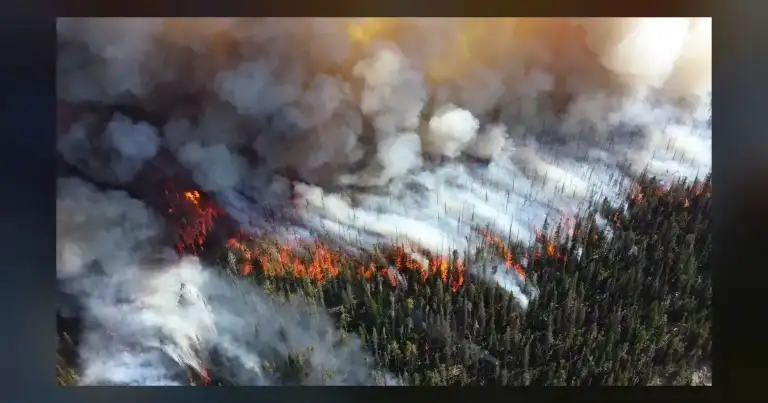
Photo: Photo by NPS Climate Change Response on Openverse (flickr) (https://www.flickr.com/photos/125029725@N07/14503287131)
Source: Google News