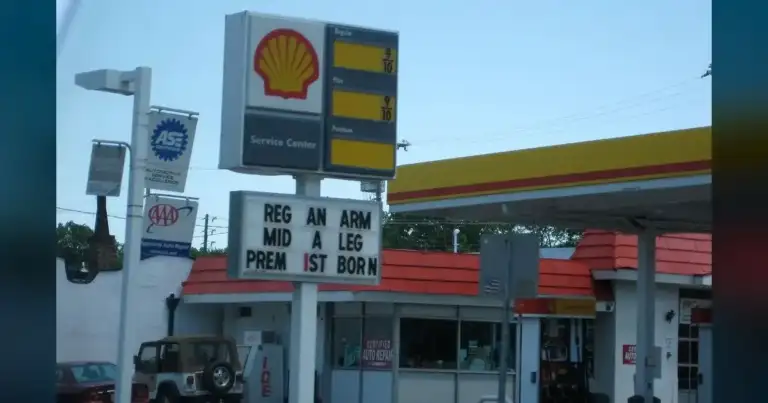

Gas Prices Surge in Tennessee Amid Iran Conflict: A Wake-Up Call for Energy Resilience
Over the past 48 to 72 hours, Tennessee drivers have felt the sting of a sudden 22-cent increase in gas prices, pushing the average cost per gallon from $3.45 to $3.67. This spike, closely tied to escalating tensions in the Middle East, specifically the ongoing conflict involving Iran, is not merely a momentary inconvenience—it is a stark reminder of the vulnerabilities embedded in our energy supply chain and the profound ripple effects geopolitical unrest can have on everyday lives.
The Immediate Cause: Iran Conflict and Disrupted Oil Markets
The conflict with Iran has intensified in recent days, with renewed sanctions and military posturing triggering instability in one of the world’s key oil-producing regions. As a result, crude oil prices surged nearly 5% globally, reverberating through the gasoline market and causing local prices to climb sharply. Tennessee, slightly more impacted than the national average—which rose by 15 cents during the same period—now experiences heightened costs at the pump, compounding existing economic pressures.
Local Impact: Who Bears the Burden?
For Tennessee residents, the price hike translates into a tangible strain on household budgets. Low and middle-income families, who often cannot easily adjust their transportation habits, face difficult choices between essentials and commuting costs. Rural communities and daily commuters, heavily reliant on personal vehicles due to limited public transit, are especially vulnerable, yet their struggles are often overlooked in broader discussions.
Local businesses, particularly those dependent on transport—such as delivery services and logistics firms—are grappling with increased operational costs. This squeeze threatens to cascade, potentially driving up prices for goods and services throughout the state. Meanwhile, gasoline retailers experience a paradoxical situation: while initially benefiting from higher prices, they worry that prolonged pricing pressure could suppress demand, ultimately hurting sales.
Government and Policy Responses: Navigating Turbulent Waters
The Tennessee Department of Agriculture and consumer advocacy groups have issued advisories urging residents to prepare for ongoing volatility, emphasizing conservation and mindful consumption. At the political level, officials express concern over inflationary pressures and potential public discontent, advocating for federal intervention, including calls to release strategic petroleum reserves to ease supply constraints.
Historically, Tennessee has faced similar challenges during previous Middle East crises—in 2003 during the Iraq war buildup and again in 2019 amidst U.S.-Iran tensions—both times experiencing spikes in gas prices that fueled economic slowdowns and intensified debate over energy security. These recurring patterns highlight a persistent vulnerability: Tennessee’s heavy dependence on imported crude oil and a transportation infrastructure largely built around fossil fuels.
The Broader Implications and The Path Forward
Rising gas prices are not just a temporary inconvenience—they are a symptom of deeper systemic fragilities.
This recent surge underscores the urgent need for Tennessee to accelerate investments in energy diversification and resilience. Expanding renewable energy sources, enhancing public transportation, and incentivizing fuel-efficient and electric vehicles can collectively reduce the state’s exposure to volatile global oil markets. Moreover, addressing the disparate impact on rural and low-income populations must be a central component of any policy response.
In the short term, consumers and businesses must brace for continued uncertainty. However, the longer-term lesson is clear: Tennessee cannot afford to remain at the mercy of geopolitical upheavals thousands of miles away. Building a more sustainable, reliable energy future is not just an environmental imperative but an economic necessity that will protect families, businesses, and the entire state from the disruptive shocks that have just reminded us how interconnected and fragile our energy landscape truly is.
As gas prices climb and tensions persist, Tennessee’s leaders and citizens alike face a pivotal moment. Will we respond reactively each time a crisis erupts overseas, or will we chart a deliberate course toward greater energy independence and resilience? The choice will shape the state’s economic health and quality of life for decades to come.
Photo: Photo by micah.d on Openverse (flickr) (https://www.flickr.com/photos/51357047@N00/2507143256)
Source: Google News