











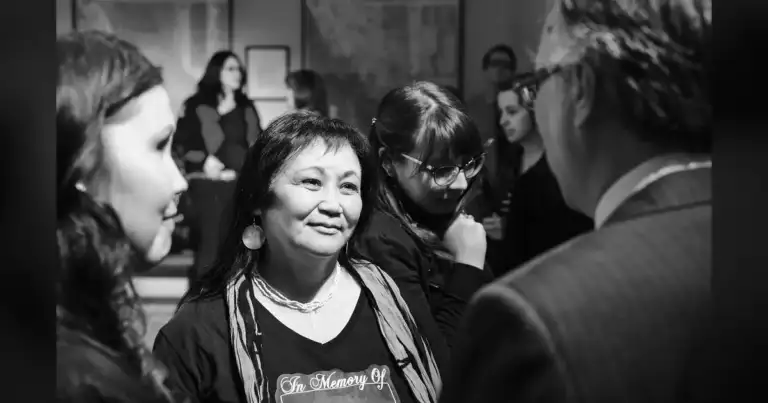

New Mexico, a state celebrated for its vibrant culture, harbors a dark secret that demands attention. The University of New Mexico Newsroom recently highlighted a segment from “New Mexico in Focus” (NMiF), exposing a horrifying chapter: the forced sterilization of New Mexicans, particularly Indigenous women.
This isn’t a dusty historical footnote; it’s a gaping wound that continues to ache within our communities. While the digital chatter might be unnervingly quiet, the echoes of this profound injustice reverberate through generations, demanding a reckoning.

Beyond the Silence: The True Cost of State-Sanctioned Violence
The NMiF segment, amplified by UNM, unflinchingly confronts the brutal legacy of eugenics in our state. To dismiss this as a “niche historical topic” ignores the profound human cost.
We are talking about the systematic theft of bodily autonomy, the shattering of trust between citizens and their government, and generations forever scarred by state-sanctioned violations. The “silence” in online discourse isn’t an absence of pain; it’s often the quiet dignity of those who have suffered, or perhaps, the uncomfortable turning away by those who prefer not to confront such stark truths.
Silence does not erase history; it only allows the wounds to fester. Nationally, an estimated 60,000 to 70,000 individuals were sterilized under eugenics laws, with New Mexico standing as one of 32 states complicit in this horror.
These weren’t random acts of medical malpractice; they were systemic, deliberate campaigns targeting women of color, Indigenous women, and anyone deemed “unfit” by a prejudiced system. Acknowledging this is not enough; true reckoning and justice demand more.
The Path to Healing: More Than Just an Empty Apology
The question isn’t if we should address this, but how. An official apology, while a necessary first step, is merely the bare minimum.
For the survivors and their families, true healing requires far more. It demands concrete action, such as financial reparations, as other states like North Carolina have demonstrated. Tangible compensation can acknowledge immense suffering and the irreparable loss of reproductive freedom.
Educational initiatives are crucial; this dark chapter of our history must be woven into our state’s curriculum. This ensures future generations understand the profound impact of eugenics and the absolute importance of bodily autonomy, educating to prevent recurrence.
Memorialization, through creating sacred spaces for remembrance, can help honor the victims and serve as a powerful, permanent reminder of the catastrophic consequences of unchecked power and systemic prejudice. Rebuilding trust in medical and governmental institutions that historically betrayed their most vulnerable citizens is a long, arduous journey, but one we are morally obligated to embark upon.
The UNM Newsroom’s amplification of the NMiF segment is a vital step in keeping this conversation alive and forcing it into the public consciousness. It signals that our academic institutions are committed to truth-telling, even when that truth is deeply uncomfortable.
An Invitation to Act
The disturbing absence of a social media frenzy around this topic should not be mistaken for an absence of importance. This is not a story for fleeting outrage or viral trends; it’s a profound historical injustice that demands thoughtful engagement, sustained action, and unwavering commitment to justice.
We, as New Mexicans, must refuse to let this issue fade into obscurity. We urge you to seek out the “New Mexico in Focus” segment and engage with this crucial dialogue.
Let us ensure that the unseen scars of our past are finally acknowledged, understood, and ultimately, healed through tangible actions, not just words. What concrete steps do you believe New Mexico should take to reckon with this dark chapter? Share your thoughts and be an active part of this vital conversation for our state’s future. The time for silence is over.
Photo: Photo by BC Gov Photos on Openverse (flickr) (https://www.flickr.com/photos/45802067@N03/26907110896)
Source: Google News
