
Kotek’s Drought Declaration: Too Little, Too Late, and Who Really Pays?
Governor Tina Kotek finally declared a drought emergency for Deschutes County. This isn’t foresight; it’s crisis management, long overdue, for a problem everyone in Central Oregon saw coming. The high desert didn’t just decide to dry up overnight.
This declaration, issued March 30, 2026, feels less like decisive leadership and more like a reluctant admission of a harsh reality. With snowpack at a dismal 58% of average and precipitation hovering at a meager 70-75%, alarm bells have been ringing for weeks. Farmers have been screaming for help, yet our state waits until we’re teetering on the precipice before it acts.
The Illusion of Help: State Aid or Political Theater?
Kotek’s statement, “This declaration will unlock critical state resources,” sounds good on paper. It’s supposed to be a lifeline for farmers, ranchers, and municipalities. But who truly benefits from these “critical state resources”?
It’s the big agricultural players, the ones with dedicated staff to handle bureaucratic hurdles. Small, independent farmers, the backbone of our local economy, will drown in paperwork and red tape long before they ever see a dime of actual aid.
The Oregon Water Resources Department (OWRD) is “assessing specific needs.” This is code for more meetings, more delays, and more talking while the actual water vanishes. While OWRD officials huddle in Bend and Redmond, discussing “potential water allocations,” the ground is cracking, and livelihoods are withering.
What are these “mitigation strategies” they keep touting? Are they real, actionable solutions, or just band-aids slapped onto a gushing wound? Local farmers aren’t just “planning for significantly less water”; they’re staring down the barrel of financial ruin. They need water now, not just plans.
Ignoring the Real Crisis: Water Wars on the Horizon
The official narrative conveniently glosses over the inevitable, brutal conflict heading our way. When there isn’t enough water, who gets it? Farmers vs. endangered fish. Agriculture vs. recreation. Cities vs. rural communities.
Kotek’s declaration doesn’t solve this; it merely sets the stage for a bare-knuckle brawl over dwindling resources. Lower river levels will devastate fishing and rafting, inflicting economic damage the tourism industry can ill afford. Environmental groups will rightly scream about stressed aquatic ecosystems.
But when push comes to shove, will the fish truly win against powerful agricultural lobbies? Don’t hold your breath. This drought emergency, declared “relatively early in the spring,” is a dire warning.
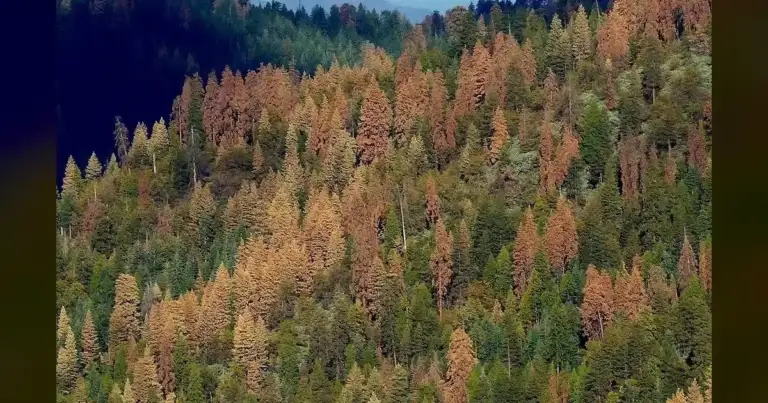
Yet, here we are, listening to the same old song and dance. We’ve seen this tragic play out in 2021, 2015, and 2001-2002 – agricultural losses, raging wildfires, water restrictions. Why, for the love of Oregon, are we still stuck in this destructive cycle?
The “Unseen Cost” and the State’s Blind Eye
The “unseen cost” of drought isn’t just economic; it’s deeply human. It’s the mental anguish and despair of farmers watching their crops die, their life’s work turning to dust. It’s the gnawing anxiety of homeowners living under the constant, terrifying threat of wildfire.
Kotek’s administration seems to have no tangible plan for this human toll. Their “coordinated response” focuses on dollars and data points, not the shattered dreams and mental health crises unfolding in our communities. An estimated $150-$200 million annually for Deschutes County agriculture hangs in the balance.
Millions of dollars for “relief and mitigation efforts” will undoubtedly be allocated. But how much of that actually reaches the ground where it’s desperately needed? How much gets siphoned off by administrative bloat, endless consulting fees, and political maneuvering?
Oregon is no stranger to drought. Yet, the state consistently fails to implement sustainable, long-term water management strategies. We continue to react, always playing catch-up, never truly preparing. This isn’t leadership; it’s a profound failure of governance, plain and simple.
The Real Question: Who Profits from Perpetual Crisis?
Why is Oregon perpetually caught flat-footed by predictable drought cycles? Is it sheer incompetence, or is there a benefit to managing by crisis? Emergency declarations often open doors for specific contractors, certain aid organizations, and provide opportunities for political maneuvering.
If you want to understand what’s really happening, follow the money. Always follow the money. As a Deschutes County Commissioner anonymously lamented, “Our farmers and ranchers are facing unprecedented uncertainty.”
This sentiment speaks volumes. They know the state’s response is often glacial and woefully insufficient. They know, deep down, that they’re largely on their own. This isn’t just a drought; it’s a glaring symptom of a deeper, systemic failure.
Governor Kotek can declare all the emergencies she wants. Until Oregon addresses its fundamental water management flaws and holds powerful interests accountable, we will be right back here next year. We will watch our rivers dry and the state pretend to care. It’s time for real action, not just empty declarations.
Photo: Photo by U.S. Geological Survey on Openverse (flickr) (https://www.flickr.com/photos/27784370@N05/25350313304)
Source: Google News