

Another Trooper Down: The Price of “Public Service”
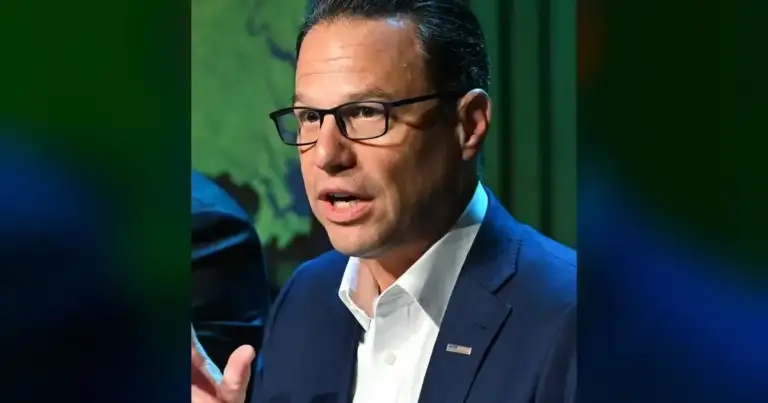
Yesterday, Pennsylvania buried another state trooper. Michael R. Davies, 32, was gunned down on I-95. The Cathedral Basilica of Saints Peter and Paul, a monument to faith, became a stage for a familiar, somber drama. Governor Josh Shapiro, Attorney General Michelle Henry, Commissioner Christopher Paris – they all delivered their carefully crafted eulogies. Davies was posthumously promoted to Corporal, a meaningless gesture for a dead man whose life was cut tragically short. The media, predictably, amplified the spectacle. Thousands of officers attended. Blue ribbons adorned every lamppost. A fund for his wife, Sarah, and their two young children has already swelled to over $500,000. The public mourns, and rightly so. But what are we truly mourning? The loss of one man? Or the dangerous, repetitive farce of “public service” that seems to demand such a high, tragic cost?The Performance of Grief: A Well-Rehearsed Playbook
The procession stretched for miles, a solemn river of flashing lights and silent sirens. A flag-draped casket, borne by grieving colleagues. This isn’t just a funeral; it’s theater. Grand, expensive theater designed to reassure the public and reinforce the narrative of brave, selfless officers. It’s a powerful distraction from the deeper, systemic rot that allows these tragedies to recur. Governor Shapiro spoke of “selfless service,” a phrase trotted out at every such occasion. Commissioner Paris lauded Davies’ “courage,” as if courage alone can stem the tide of violence. Sarah Davies, through a spokesperson, spoke of Mike’s love for his job. It’s all so neat, so tidy. There are no messy questions about systemic failures, no accountability for the conditions that led to this moment. This performance, this ritualized grief, benefits everyone but the dead and their immediate families. It solidifies the law enforcement community’s image. Politicians get to appear “tough on crime.” Anti-violence groups gain a new talking point. Everyone, it seems, wins – except the family left behind to pick up the pieces, and the taxpayers footing the bill for this endless cycle.The Unasked Questions That Haunt Us
Marcus “MJ” Jones, 27, stands charged with Davies’ murder. He is, without question, the villain in this immediate tragedy. But what about the system that produced him? What about the “recent string of armed robberies” Davies was reportedly investigating? Where was the state then? Where was the proactive “public service” that prevents crime, rather than merely reacting to it with lethal force? They won’t tell you the specific intelligence that led Davies to Jones’s vehicle. They won’t discuss Jones’s prior interactions with law enforcement, or the effectiveness of previous interventions. Why? Because that would mean admitting failures. Failures that lead to dead troopers. Failures that lead to dead citizens. The fund for Davies’ family is commendable, a genuine outpouring of support. But what about the long-term psychological toll on his colleagues? The silent trauma, the increased paranoia, the erosion of trust. Who truly pays for that? Not the politicians giving impassioned speeches. Not the public waving blue ribbons for a day. The cost is borne by those on the front lines, day in and day out.The Cynicism of Silence and the Convenient Narrative
The online discourse surrounding this tragedy is overwhelmingly somber. There is no “backlash,” no “sarcastic theories.” Just grief, amplified and echoed across social media. Why? Because this tragedy fits the approved narrative: a hero cop, tragically slain in the line of duty. There’s no ambiguity, no inconvenient details to challenge the simple story. This is the perfect tragedy. It allows for collective mourning without requiring collective introspection. It permits politicians to grandstand on a platform of sorrow. It allows the police to consolidate power and public sympathy. Crucially, it demands no real, systemic change – only more platitudes and the promise of “justice.” The public buys into this “authentic loss,” often ignoring the systemic issues that underpin such events. The “unseen wounds” of officers, the “broader context of gun violence” – these are inconvenient truths. They muddy the clean narrative of heroism and sacrifice, a narrative that serves so many interests while truly serving so few. As a recent Reuters report highlighted, the emotional toll on first responders is often overlooked in the aftermath of such high-profile incidents.What Now, Pennsylvania?
We bury another trooper. We praise his sacrifice. We fund his family. Then what? Do we ask why this keeps happening, year after year? Do we demand better from our leaders than performative grief? Do we scrutinize the very nature of “public service” that seems to cost so many lives, yet solves so little of the underlying societal issues? The Pennsylvania State Police Benevolent Association has raised over $500,000 for Davies’ family. Is that enough? Or is it merely a band-aid on a gaping wound that continues to fester? It’s time to stop the applause. It’s time to start asking the hard questions. Demand accountability, not just eulogies. Otherwise, we’ll just be here again, watching the same tragic play unfold, burying another “hero” while the cycle of violence continues. And Pennsylvania, our communities, will continue to pay the ultimate price.Source: Google News