
Georgia’s PFAS Settlement: A Step, Not a Solution, for Robins AFB
The news that Georgia has secured a $3 million settlement for Per- and Polyfluoroalkyl Substances (PFAS) contamination is a welcome development, but for servicemembers and their families at Robins Air Force Base, this sum feels less like a victory and more like a down payment on a much larger, ongoing debt. While the Attorney General’s office confirms the state’s share of a national settlement and explicitly names military communities as beneficiaries, the critical question remains: is $3 million truly enough to tackle decades of “forever chemical” exposure? Not by a long shot.
The Devil in the Details for Military Families
PFAS, those insidious “forever chemicals” ubiquitous in firefighting foams historically used at bases like Robins, have left an undeniable, toxic mark on our environment and, more importantly, on the health of those who served and lived nearby. This settlement, confirmed within the last 48 hours, is a direct acknowledgment of that impact. We’ve heard statements from the Attorney General’s office emphasizing that a significant portion will head to communities like those surrounding Robins AFB, and there’s even been a call for community input. These are all positive signals, suggesting transparency and a desire to direct funds where they are most needed. They’re saying all the right things, but actions speak louder than words.

“This settlement represents a crucial step in holding polluters accountable and providing much-needed resources to communities across Georgia, especially those near our vital military installations like Robins Air Force Base, which have borne the brunt of PFAS contamination.” – Georgia Attorney General’s Office Spokesperson, as reported by Reuters.
But let’s be direct: $3 million, while not insignificant, is a mere drop in the bucket compared to the estimated tens of billions of dollars required to fully remediate PFAS contamination nationwide. For the thousands of individuals at Robins AFB who have potentially ingested contaminated water or suffered health consequences, this sum feels like a symbolic gesture rather than a comprehensive solution. It’s a start, certainly, but it barely scratches the surface of the long-term health monitoring, advanced filtration systems, and environmental cleanup truly required. Are we seriously expecting $3 million to erase decades of damage? That’s just not realistic.
Beyond the Check: What’s Next for Robins?
The immediate task for Georgia officials isn’t just to deposit the check; it’s to ensure these funds translate into tangible benefits for the Robins AFB community. This means more than just a vague promise; it demands a clear, actionable plan. How quickly will these funds become available to those who need them most? What specific programs—be it enhanced water testing, comprehensive health screenings, or educational initiatives—will be implemented? And crucially, what mechanism will be put in place for individual servicemembers and their families to directly access or benefit from these funds? We need specifics, not platitudes.
While the state addresses collective remediation, the individual struggles of those facing potential health issues due to PFAS exposure cannot, and must not, be ignored. This settlement should pave the way for easier access to medical support and a transparent process for addressing personal damages, rather than forcing individuals into protracted legal battles that only benefit lawyers. Georgia has a moral responsibility to ensure this $3 million serves as a genuine lifeline, not merely a headline, for those who have sacrificed so much for our nation. Anything less is a betrayal.
Ultimately, this settlement is a crucial step towards accountability, but it is far from the finish line. For the families at Robins AFB, the true measure of its success will be seen in cleaner water, healthier lives, and a rock-solid commitment to ongoing vigilance against these persistent chemicals. Will Georgia rise to the occasion, or will this just be another forgotten promise?
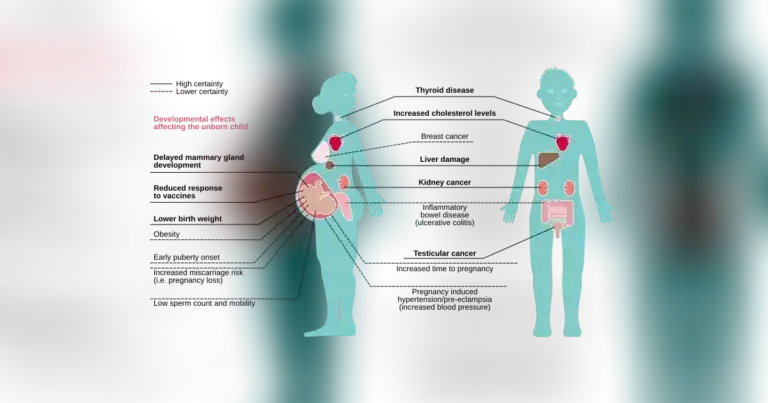
Photo: Photo by European Environment Agency (original image) Mrmw (vectorization) on Openverse (wikimedia) (https://commons.wikimedia.org/w/index.php?curid=88090897)
Source: Google News