
Winter’s icy grip just delivered a devastating blow to Long Island’s oyster industry, leaving a trail of shattered livelihoods and millions in losses. Farmers are calling it the “worst of the century,” and while the tales of woe are plentiful, we need to look beyond the surface of this tragedy. This isn’t just about a cold snap; it’s a stark spotlight on the fragility of our food systems and the uncomfortable truth about who really pays when things go wrong.
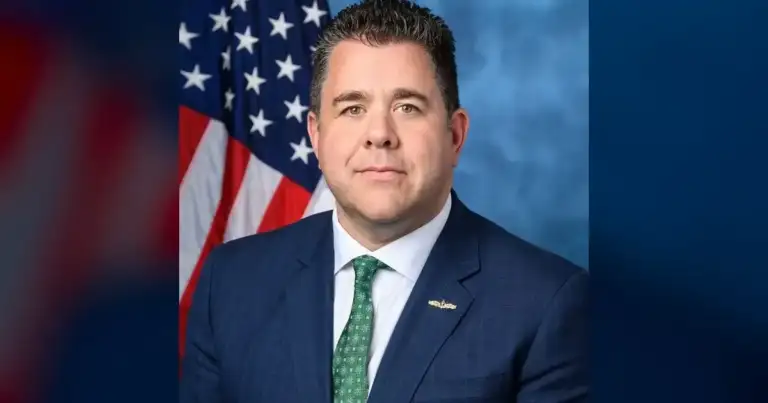
This isn’t some freak act of nature that blindsided everyone. This is a system, folks, that’s rigged to fail under pressure, and guess who’s left holding the bill? You guessed it – taxpayers. Congressman Nick LaLota is already on the warpath, pushing for federal disaster relief. That means your hard-earned money will be funneled into bailing out private businesses. Is that really the taste we want in our mouths?

The Chilling Reality of “Local” Food
The numbers are truly gut-wrenching for those who poured their hearts into these farms. Oyster farms across Long Island lost up to a staggering 90% of their precious stock. Imagine the heartbreak! Some operations, like the dedicated folks at Toasted Oysters, saw an astonishing 2.6 million oysters simply vanish into the frigid depths. Equipment is trashed, harvesting lines are severed, and the future looks bleak for many. But let’s be honest, this isn’t just about a few bad weeks of weather; it’s about a fundamental flaw in putting all your eggs, or in this case, all your delicious oysters, in one very cold, very vulnerable basket.
We’ve been fed this narrative that “local food” is inherently better, safer, and more sustainable. It’s a comforting story, isn’t it? But this oyster disaster, as heartbreaking as it is, exposes that idea as a bit of a fairy tale. One brutally cold snap, and an entire industry, one that prides itself on being local and sustainable, just… collapses. Where is the resilience we preach? Where is the true sustainability when everything hinges on conditions being absolutely perfect? It makes you wonder, doesn’t it?
The Shell Game of Corporate Aid and Our Wallets
Farmers like John Smith from South Shore Oysters are, understandably, “heartbroken.” He’s quoted in Newsday saying, “This is the worst I’ve seen in my 40 years,” and you can almost feel his pain. Sarah Chen, the Executive Director of the Long Island Shellfish Growers Association, echoed the sentiment, calling it “an extreme event.” They want us to feel their sorrow, to believe this is just a cruel twist of fate.
But let’s peel back another layer, shall we? These are businesses, operating in an environment that is, by its very nature, risky. Where was their contingency plan for a historically cold winter? Where were the robust protections for their precious stock? Every good chef knows you need a backup plan, and shouldn’t these businesses, especially those lauded for their sustainability, have one too?
Our government, bless its heart, is always quick to step in. But let’s call a spade a spade: disaster relief for private companies often feels like a well-worn scam. It’s a classic case of privatizing the profits when times are good and then socializing the losses when the going gets tough. Your hard-earned taxes, my friends, will likely go to rebuild operations that, frankly, should have planned for this kind of meteorological curveball. It’s a bitter pill to swallow, isn’t it?
Empty Shells and Empty Promises
The ripple effect of this disaster is already making its way to our plates. Restaurants, the very places that celebrate these local delicacies, are bracing for impact. Chef Maria Rodriguez of The Salty Spoon in NYC, a true champion of local ingredients, admits it’s a “huge challenge.” She expects to get “creative,” which, let’s be real, translates to higher prices for you and me, and less of that fresh, local seafood we’ve come to adore.
The Long Island oyster industry isn’t just a quaint local enterprise; it’s a powerhouse, worth over $20 million annually. Now, much of that economic vitality is simply gone, and the public is expected to foot the bill for its resurrection. And here’s another hard truth: oysters aren’t a quick crop. They take a painstaking 2-3 years to reach market size. This isn’t a problem that can be fixed with a quick government handout; this is a long-term crisis, born from what feels like short-sighted planning.
This isn’t just about a beloved delicacy disappearing from our menus. This is about the unsettling vulnerability of our entire food supply. It’s about how quickly a seemingly “sustainable” local industry can be decimated. And perhaps most importantly, it’s about asking ourselves, with a critical eye and a full heart, who truly pays the price when things inevitably go wrong? Are we, the taxpayers, simply destined to keep bailing out industries that can’t, or won’t, protect themselves from the obvious risks of their trade?
Source: Google News