
The gilded cages of Brentwood, California, are rattling. Not from an earthquake, but from the perceived tremor of rising crime, prompting its ultra-wealthy residents to embrace a chilling new normal: free doorbell cameras. This isn’t about safety; it’s about control, a digital moat around their mansions, and a stark, unsettling vision of a two-tiered America.
The Panic in Paradise: When a $1.7 Million Home Isn’t Safe Enough
The Brentwood Homeowners Association (BHA), in a move that screams “panic in paradise,” just rolled out a program to arm its residents with Ring and Google Nest doorbell cameras. Their noble quest? To thwart “cunning robbers” from pilfering their multi-million dollar mansions. This grand initiative follows a reported 15-20% surge in residential burglaries in the West Los Angeles area in 2025.

Let’s be clear: we’re not talking about struggling neighborhoods here. We’re talking about homes that average a cool $1.7 million, with some estimates pushing that closer to a staggering $2.5 million. These are the same folks who could easily bankroll a private army of security guards, yet they’re accepting free cameras? It reeks of performative fear, a grand theatrical gesture.
Fortress America: Digital Walls for the Rich, Crumbs for the Rest
This isn’t merely about doorbell cameras; it’s a glaring symptom of the accelerating privatization of public safety. When the affluent perceive a threat, their instinct isn’t to advocate for better policing for everyone. No, their instinct is to erect their own digital walls, creating a chasm between the haves and have-nots. This isn’t just dangerous; it’s morally bankrupt.
What about the neighborhoods that genuinely grapple with crippling crime rates? The ones where homes don’t cost more than most people earn in a lifetime? They get nothing. No free cameras, no enhanced surveillance, just the same old struggle, intensified by neglect. It’s a tale as old as time, but now with a high-tech twist.
“While understandable from a security perspective, this initiative highlights a growing trend of privatized security in wealthy enclaves. It raises important questions about equity, surveillance, and whether we’re truly addressing the root causes of crime, or simply pushing it to less protected areas.”
— Dr. Anya Sharma, Professor of Urban Sociology, UCLA, as quoted by Reuters.
Dr. Sharma’s analysis cuts to the bone. Are we genuinely solving crime, or are we simply relocating it, like a bad smell wafting to a less desirable address? Are we constructing gilded safe zones for the rich while abandoning everyone else to the wolves? This, my friends, is the “Fortress America” mentality in its most stark and unsettling manifestation.
The Illusion of Security and the Creeping Surveillance State
The BHA trumpets these cameras as a deterrent, a provider of “crucial evidence.” Eleanor Vance, President of the BHA, declared, “Our residents deserve to feel safe in their homes. These ‘cunning robbers’ are becoming more brazen, and we believe a networked approach with smart doorbell cameras will provide a crucial layer of deterrence and evidence.”
But at what cost, exactly? Every camera is another unblinking eye. Every recorded moment is another sliver of your privacy irrevocably surrendered. This isn’t just about catching a package thief; it’s about normalizing constant surveillance, creating a de facto public surveillance system without any of the democratic oversight or accountability that a true public system demands.
- Privacy concerns aren’t just rising; they’re skyrocketing into the stratosphere.
- Data ownership becomes a murky, ethically dubious mess.
- The potential for misuse of footage is not just huge; it’s an open invitation for abuse.
This isn’t about protecting your Amazon delivery. It’s about a relentless march towards constant digital monitoring, allowing private corporations to amass colossal amounts of data on everyday citizens. And for what? So someone with a $2 million house can sleep soundly, oblivious to the erosion of liberty for everyone else?
The Real “Cunning Robbers”: Profiteers of Fear
The public reaction has been swift and brutal, and rightly so. Many see this as performative, a “California bad” narrative designed to inflate minor property theft into a full-blown crisis. One particularly incisive commenter on Reddit put it perfectly: “Billionaire tech bros in $2M McMansions scared of a smash-and-grab? Free cams = Amazon lobbyist payoff, Ring gets free surveillance data from cop feeds.”
This isn’t about public safety; it’s about leveraging primal fear to push more surveillance technology. It’s about constructing a vast database of private citizens, all under the guise of security. And who truly reaps the benefits? Not the average person, certainly. It’s the tech giants and the security firms, gorging themselves on free data and ever-increasing sales.
This program, potentially costing anywhere from $100,000 to $250,000 for merely 1,000 cameras, is a mere pittance for Brentwood’s residents. But for the surveillance industry, it’s a monumental victory. They get to transform affluent neighborhoods into real-world beta tests for their products, expanding their reach with every click and every recorded frame.
A War on Masculinity, or Just Common Sense?
This relentless push for more surveillance often comes wrapped in a narrative of fear, subtly implying that men, in particular, are incapable of protecting their own homes. That we are so emasculated, so helpless, that we need technology to do it for us. It’s a corrosive chipping away at self-reliance, at the very essence of masculine capability.
Are we so utterly defanged that we can’t secure our own property without a tech company holding our hand? This isn’t about empowering individuals; it’s about fostering dependence on a digital nanny state. The LAPD’s Captain Robert Chen, in a statement to CNN, predictably welcomed the initiative: “We welcome any initiative that helps residents protect themselves and provides us with valuable leads. Video evidence is often critical in identifying suspects.” Of course, they welcome it – it conveniently offloads their work onto private citizens, turning every homeowner into an unpaid auxiliary officer.
This isn’t a solution; it’s a glaring symptom of a society where the rich retreat into their enclaves, using technology to construct an impenetrable bubble. They conveniently ignore the systemic issues that breed crime, preferring instead to simply push the problem out of their sight, off their manicured lawns. This “free camera” program isn’t a gift; it’s a digital Trojan horse for an ever-expanding surveillance regime. It’s a stark, infuriating reminder of who truly benefits when fear, not reason, drives policy. It’s high time men stood up and demanded real solutions, not just more digital eyes watching our every move, slowly eroding our freedom and our self-respect.
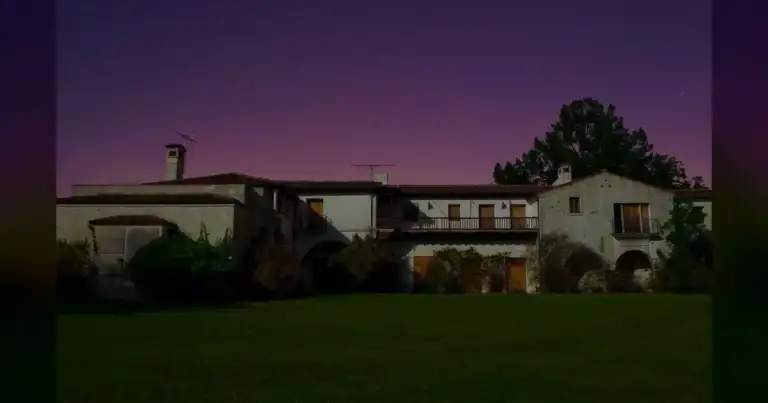
Photo: Photo by TunnelBug on Openverse (flickr) (https://www.flickr.com/photos/25078342@N00/480404073)
Source: Google News