

Florida Rapper “Bankroll” Busted Mid-Flex: Another Day, Another Dollar (Stolen)
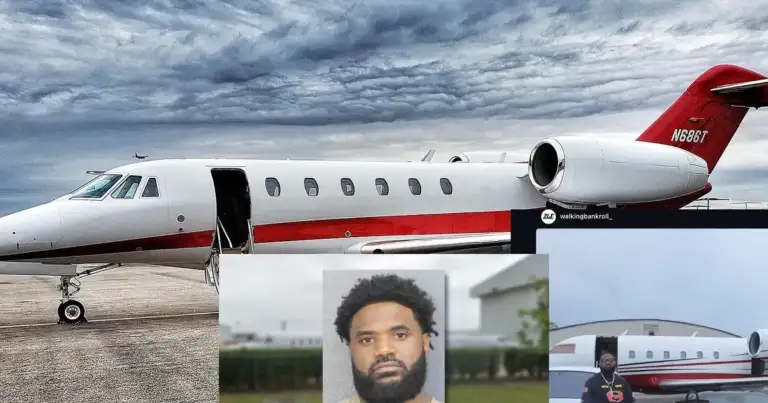
Miami-Opa Locka Executive Airport erupted in a flurry of federal activity on April 2, 2026, as agents swarmed a private jet. Their prize? South Florida rapper Marcus Jamal Williams, better known as “Bankroll,” now facing a mountain of charges for allegedly orchestrating a staggering $7.9 million fraud scheme. Wire fraud, bank fraud, money laundering—it’s the same old tune, but this isn’t just about another rapper. This is about Florida’s seemingly endless, infuriating fraud pipeline, and it’s high time we called it what it is: a disgrace.The Scripted “Trap Life” Goes Federal: A $7.9 Million Betrayal
According to federal prosecutors, Williams didn’t just stumble into this mess; he allegedly engineered it with cold precision. He’s accused of ruthlessly exploiting critical COVID-19 relief programs, specifically the Paycheck Protection Program (PPP) and Economic Injury Disaster Loans (EIDL). How? By allegedly fabricating shell companies to siphon off millions, then laundering the cash to fuel his music career and, naturally, a lavish lifestyle. Let’s be clear: this isn’t some gritty “hustle.” This is outright theft, plain and simple, from taxpayers and struggling businesses. The public, for once, isn’t falling for the “misunderstood artist” charade. Social media platforms like Reddit and X are ablaze with scathing commentary, mocking the “rap life scripted” drama and labeling it “peak Florida Man rap theater.”“Bro faked a company to scrape SSNs like it’s GTA Online, got nabbed mid-flex on a jet to Sint Maarten—straight movie plot, not street cred.”This isn’t just a rapper getting caught with his hand in the cookie jar. This is a damning public indictment of a culture that, far too often, glorifies illicit gains and then feigns surprise when the feds come knocking.
Who Pays When “Bankroll” Plays? You Do, Every Single Time.
Williams made his initial federal court appearance on April 3, 2026, and prosecutors wasted no time in demanding he remain locked up. Why the urgency? Because the man was literally attempting to flee the state on a private jet when agents intercepted him. If that doesn’t scream “flight risk,” what does? His defense attorney, Robert Sterling, predictably claims innocence, stating the evidence “will show a different picture.” A different picture of what, exactly? A magical $7.9 million spontaneously appearing in Williams’ accounts? We’re not buying it. Federal agents didn’t stop at the tarmac; they subsequently raided Williams’ luxury condo and recording studio, meticulously searching for financial documents and electronic devices. These searches aren’t just fishing expeditions; they are designed to expose the true, ugly depth of his alleged deception and reveal the full scope of his network. Let’s not forget where this $7.9 million came from. It wasn’t play money. It was earmarked for legitimate, struggling businesses. It was meant for Floridians desperately trying to survive a global pandemic. Instead, it allegedly funded Williams’ champagne wishes and caviar dreams. U.S. Attorney for the Southern District of Florida, Sarah Chen, articulated it perfectly:“This arrest sends a clear message: those who seek to exploit federal relief programs for personal gain will be held accountable. The Department of Justice remains committed to prosecuting those who defraud the government and the American people.”
Florida: The Fraud Capital? We Deserve Better.
Why, oh why, does Florida consistently dominate these fraud headlines? Is it truly lax oversight? A deeply ingrained culture of “anything goes”? Or is it simply a convenient, sun-drenched haven for criminals to operate, hide their ill-gotten gains, and then flaunt them? This state, our state, seems to be an irresistible magnet for fraudsters. From elaborate mortgage scams to widespread Medicare fraud, Florida has seen it all, and frankly, it’s an embarrassment. This isn’t an isolated incident, a one-off bad apple. The COVID-19 pandemic unleashed an unprecedented surge in fraudulent PPP and EIDL claims, and Florida, shamefully, was a major hotspot. Marcus Williams is just one more name on an ever-growing, infuriating list. The real, often unseen, victims here are the legitimate small businesses. They were denied crucial funds because fraudsters like Williams allegedly drained the coffers dry. They are ignored while the public fixates on the dramatic arrest of a rapper. It’s a cruel irony. So, what happens next? Williams faces potentially decades in federal prison. His “career,” such as it was, is undoubtedly over. And the public’s already fragile trust in government programs erodes even further. This case is a stark, undeniable reminder: crime does not pay, especially when you’re foolish enough to flex your ill-gotten gains all over social media. The feds, rest assured, are always watching. It’s high time Florida shed its reputation as the nation’s punchline for financial fraud. It’s time our officials clamped down harder, not just on the perpetrators themselves, but on the systemic weaknesses that allow this rampant theft to flourish unchecked. We, the taxpayers, demand it.Source: Google News