
The system was already broken, a truth painfully laid bare when a DC air traffic controller revealed the “obvious cracks” that preceded a midair collision claiming 67 lives. This isn’t merely an unfortunate incident; it’s a profound systemic failure, one that echoes the dismissive patterns many women recognize in their own lives and workplaces.
The January 29, 2025, midair collision near Reagan National Airport was a nightmare made real. 67 lives were extinguished in an instant, and now, an air traffic controller has finally come forward, pulling back the curtain on the preventable tragedy.

The National Transportation Safety Board (NTSB) investigated this horror, and their report, released in January 2026, paints a grim, undeniable picture. It’s a snapshot of a system not just struggling, but actively collapsing under immense, unacknowledged pressure.
- FAA helicopter routes were fatally flawed, creating dangerous intersections.
- Controllers were chronically overwhelmed, drowning in an impossible volume of traffic.
- “See and avoid” rules, once considered a safety net, had become a death trap in congested airspace.
- Collision avoidance technology was shockingly inadequate, failing to provide the necessary safeguards.
The NTSB found that controllers felt “overwhelmed” with just 12 aircraft in the air. Twelve. This isn’t a surprise to anyone who’s ever felt unsupported, overworked, and expected to perform miracles with insufficient resources. Warnings about the dangers posed by helicopters were ignored, dismissed as mere complaints. Why were these critical warnings, which could have saved dozens of lives, so carelessly cast aside?
The Invisible Load of Public Safety
This isn’t just about aviation. This is about the invisible load, a burden women carry daily in their homes, their marriages, their workplaces. We are constantly picking up the slack, anticipating problems, and patching over deficiencies that aren’t ours to fix. This controller’s “revelation” is just another stark example of individuals being expected to perform miracles with broken tools and a fractured system.
The FAA has been bleeding staff for years. Aviation Week & Space Technology reported extensively on this crisis in March 2026. Staffing shortages lead to longer shifts, increased stress, and dangerously little rest. It’s a catastrophic recipe for disaster. Controllers are working mandatory overtime, stretched thin, just like so many mothers trying to juggle everything with too few hands and too little support.
The National Air Traffic Controllers Association (NATCA) has been raising red flags for years, issuing dire warnings about unsustainable demands and the erosion of safety margins. But who truly listens until tragedy strikes? Rarely, it seems, until people die.
Burnout Is Not a Personal Failure
Burnout is not a personal failing. It is a systemic problem, a consequence of environments that demand unsustainable levels of performance without providing adequate resources or support. The American Psychological Association (APA) released a critical report in February 2026 on “Workplace Stress and Mental Health,” which highlighted the alarming rates of burnout and anxiety in high-stakes professions. Air traffic controllers fit this description perfectly: high responsibility, low control. Sounds familiar, doesn’t it? It’s akin to being a mother in a marriage where you bear the brunt of all the emotional labor, constantly anticipating and managing everyone else’s needs.
The APA advocates strongly for proactive mental wellness programs. Mindfulness, stress management techniques, accessible counseling – these aren’t luxuries. They are fundamental necessities, especially when lives are literally in your hands. To dismiss them is to dismiss the very humanity of those we task with our safety.
Why We Ignore the Warnings
We celebrate “heroes” in the aftermath of a tragedy, showering them with praise and recognition. Yet, we consistently ignore the desperate pleas for help that precede these catastrophes. This controller’s honesty is a gut punch, exposing the uncomfortable truth: we, as a society, routinely fail to invest in prevention. Instead, we wait for catastrophe to strike before we even consider action, a reactive approach that costs lives.
Emergency Services Times discussed the vital role of peer support in January 2026. First responders need it. Air traffic controllers absolutely need it. Processing near-misses, managing accidents, living with the constant threat of human error – it takes an immense mental and emotional toll. But admitting you need help? That’s still a taboo, particularly for men in these “tough”, high-pressure jobs, where vulnerability is often misconstrued as weakness.
This controller isn’t just revealing cracks in the aviation system; they are exposing the profound cracks in our societal expectations. The expectation that people can operate flawlessly under impossible conditions. The deafening silence around mental strain until it explodes into crisis. The dismissal of urgent warnings until blood is spilled. It’s a pattern we can no longer afford to ignore.
This isn’t just about aviation safety. It’s about how we treat our most vital workers. It’s about how we value human life – or rather, how little we seem to value it until it’s tragically, irreversibly lost. When will we finally start listening to the people on the front lines, the ones who see the cracks forming, before they break under the strain?
What “obvious cracks” have you seen ignored until it was too late? Share your own “taboo” confession and reflections in the comments below.
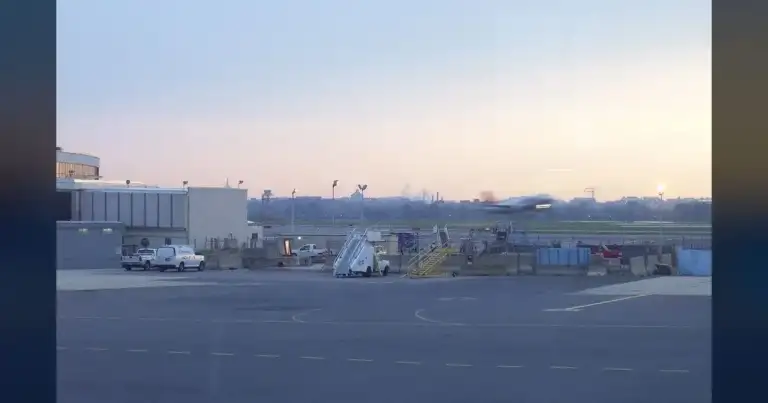
Photo: Photo by cseeman on Openverse (flickr) (https://www.flickr.com/photos/7702423@N04/2459602443)
Source: Google News